From the night of February 4th to the early morning of December 5th
The year’s final “supermoon”
appeared in the night sky
leaving a romantic and brilliant mark
on the winter night at the year’s end
✨As the moon slowly becomes full
may your wishes slowly come true✨
May last night’s full moon
brighten your mood today
Gemini Meteor Shower, Jupiter and the Moon Conjunction
This Month’s Celestial Event “Program” is Here
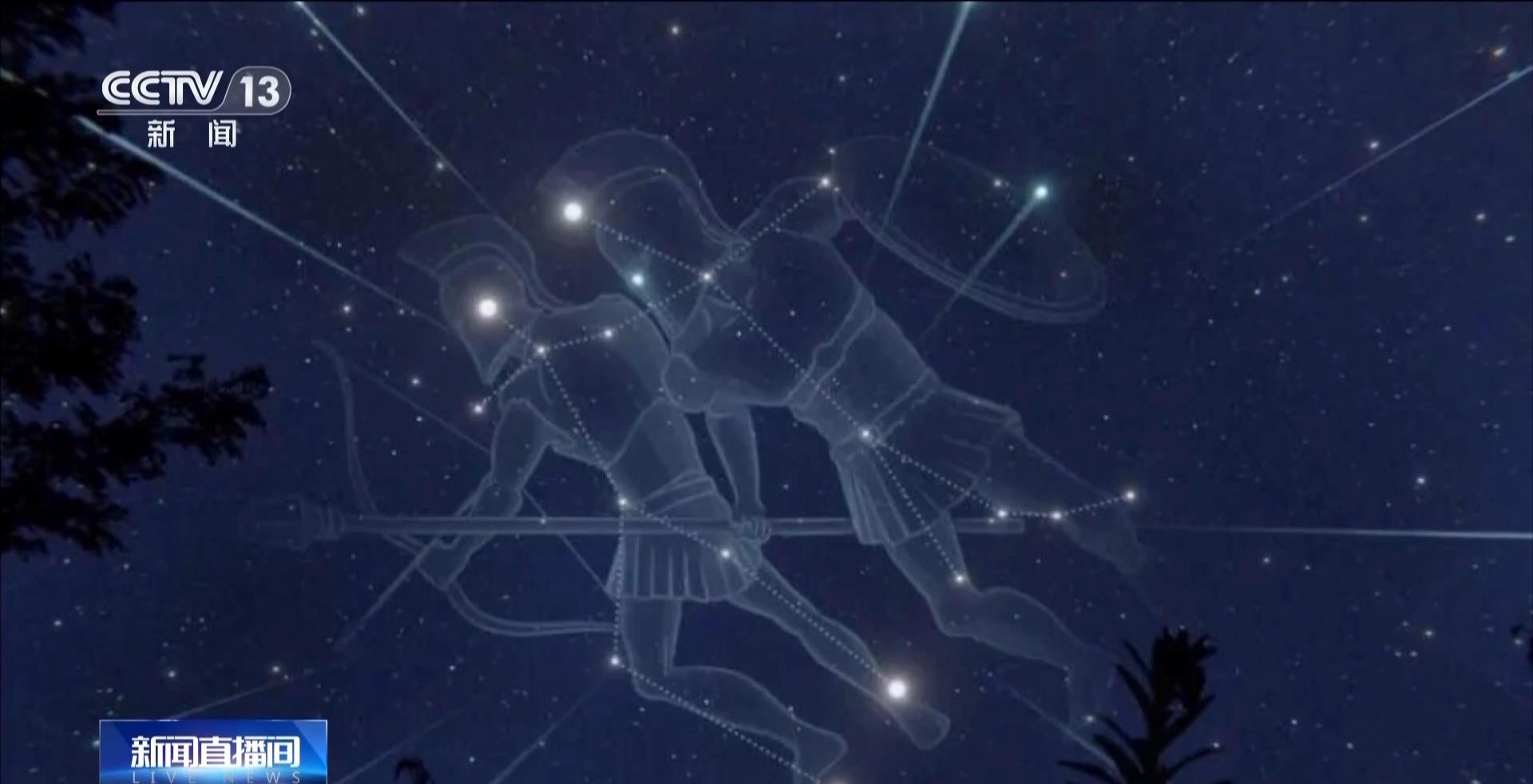
December 14th: Don’t Miss the Gemini “Peak Shower”
🌟The Gemini meteor shower is the most stable and highest-flow meteor shower of the year, with a peak zenithal hourly rate reaching about 150 annually.
⏰Showtime: The peak of this year’s Gemini meteor shower is around 16:00 Beijing Time on December 14th. The evening of the 14th to the early morning of the 15th is best for viewing.
🔭The meteors of the Gemini shower are relatively slow, whitish in color, with many bright meteors and frequent fireballs. It has always been one of the most anticipated celestial spectacles at year’s end. On that day, the shower’s radiant point rises from the northeast shortly after dusk and remains in the sky almost all night, making it convenient for viewing.
📝Tip: Temperatures are quite low in northern regions, and the weather is cold, so be sure to dress warmly.
🪐Jupiter and the Moon “Meet”: A “Star and Moon Fairytale” on December 7th
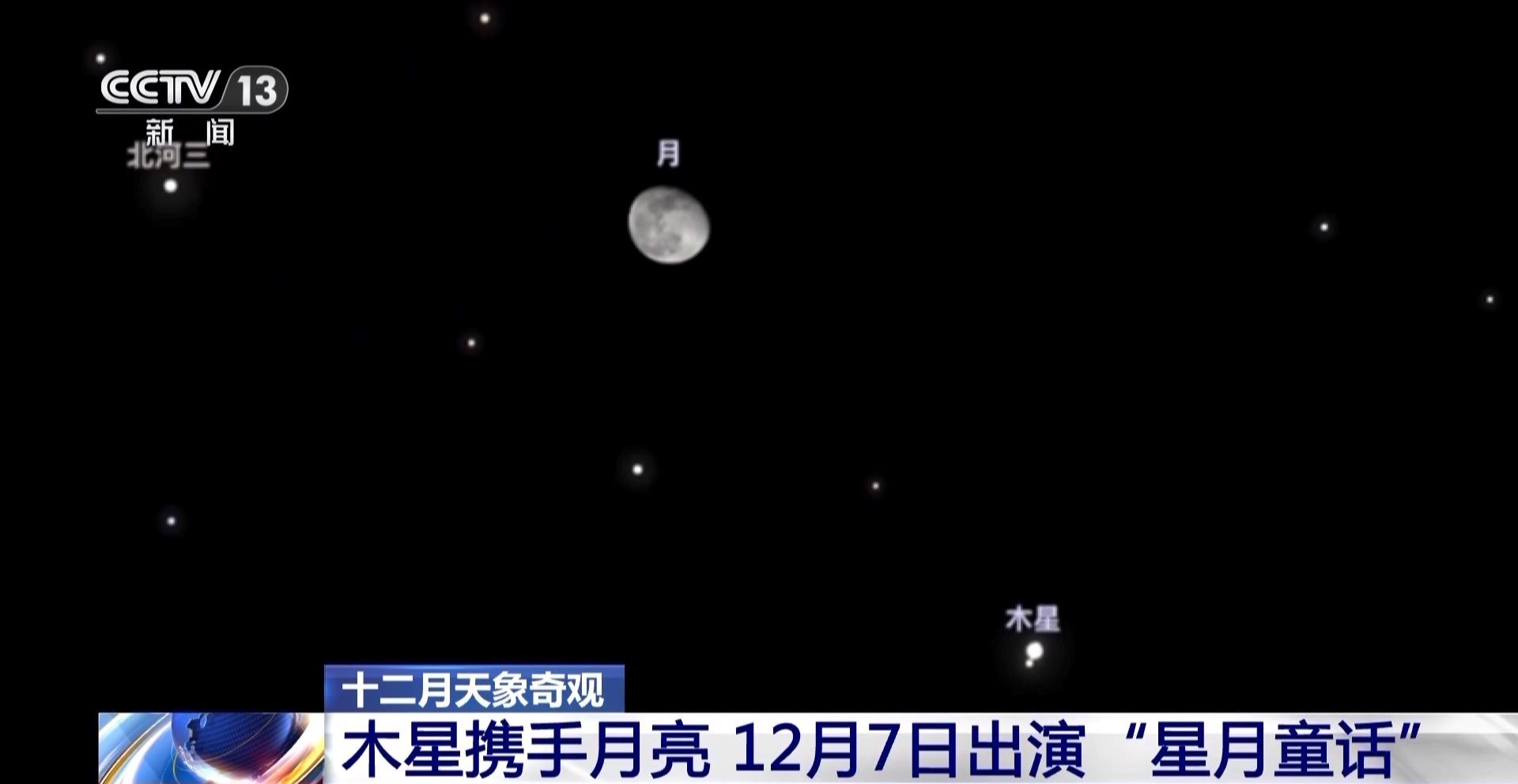
🌟A “planetary conjunction with the moon” refers to when a planet and the moon appear very close. On the evening of December 7th, a “star and moon fairytale” visible to the naked eye will unfold in the night sky.
⏰Showtime: Observing this “celestial spectacle” doesn’t require staying up late. After sunset on December 7th, Jupiter will rise from the southeast along with the Moon, and it will be suitable for viewing all night.
🔭The Moon orbits the Earth with a 27-day cycle, while Jupiter orbits the Sun with a 12-year cycle. These two celestial bodies with vastly different rhythms can only “meet” once a month, and most of the time, observation is difficult due to weather or lunar phase.
📝Tip: If the weather is clear, whether you pause on the street to look up or use a camera to capture the main actors of this star and moon fairytale, it is a rare astronomical experience on a winter night.
Keep this celestial guide handy
This December
let’s watch the starry sky together✨