
Integrating demand-driven approaches, reform initiatives, technological empowerment, and open cooperation throughout the entire process of expanding and improving the service industry is a key pathway for advancing modern services toward specialization, higher value chains, and greater convenience, diversity, and quality.
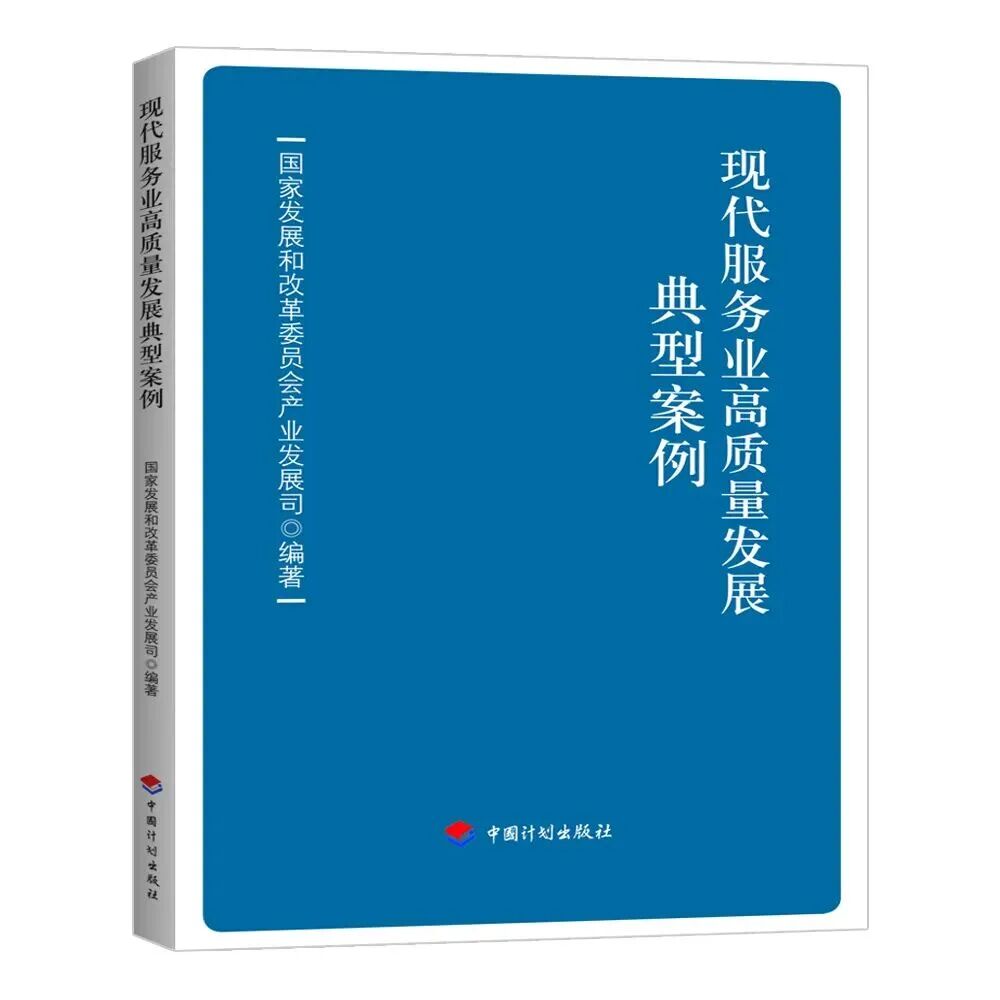
Recently, the “Typical Cases of High-Quality Development of Modern Service Industry” compiled by the Industrial Development Department of the National Development and Reform Commission was officially published. This book covers multiple fields such as R&D design, intellectual property, and cultural tourism. Through four major sections—innovation leadership, industrial integration, quality of life, and open cooperation—it presents a multidimensional view of the diverse paths of innovative development in China’s service industry.
Notably, Chengdu’s “Multiple Measures to Promote High-Quality Development of the Digital Cultural Industry” was selected as the only case in the entire book focusing on the cultural industry.
The case systematically presents Chengdu’s specific practices and phased achievements in advancing digital cultural creativity from “single-point breakthroughs” to “systematic supply” across four dimensions: industrial spatial layout, track cultivation, policy ecosystem, and brand building.
Four-Dimensional Efforts: Chengdu’s Practical Path for Digital Cultural Creativity
According to the content included in the “Typical Cases of High-Quality Development of Modern Service Industry,” Chengdu’s recent practices in the digital cultural industry have mainly revolved around four aspects.
 </
</