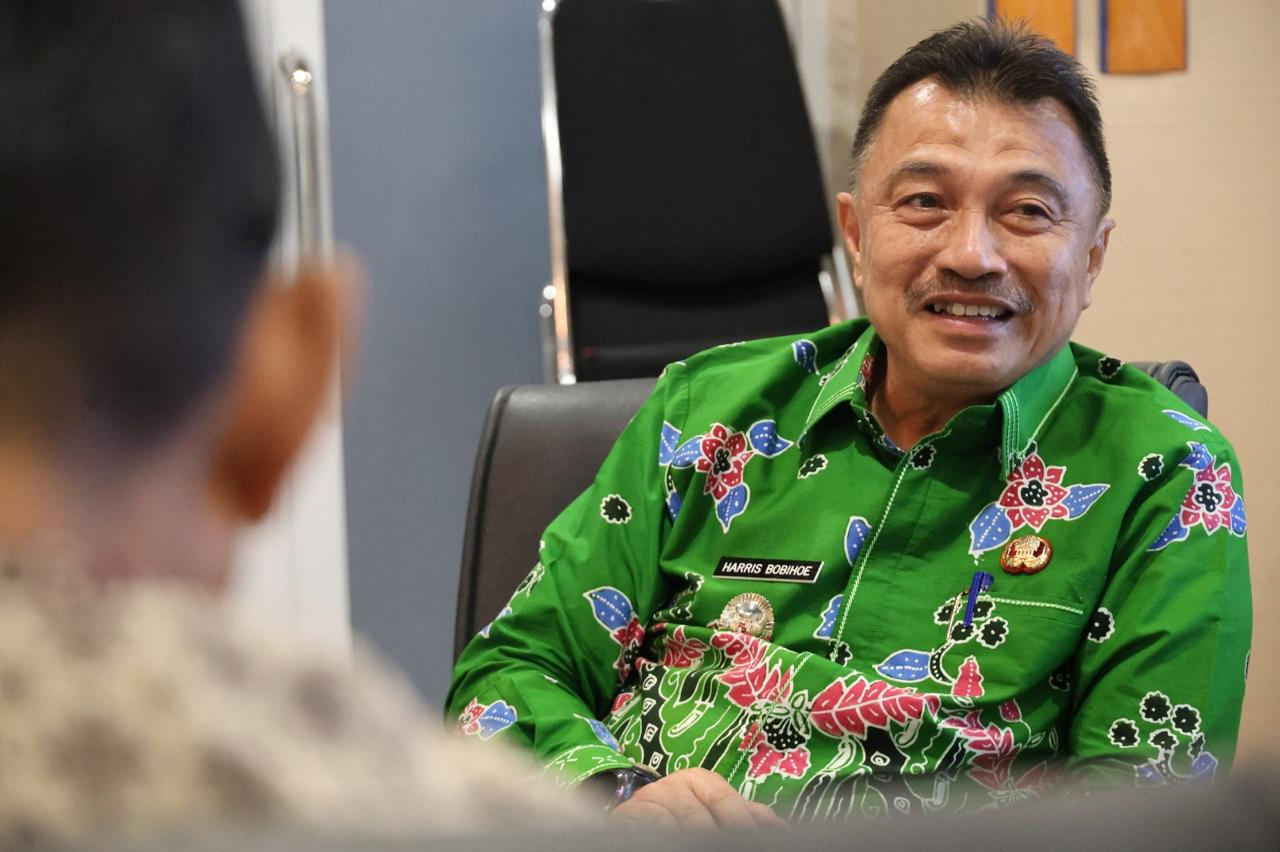
KOTABEKASI – As part of efforts to optimize responsive governance in providing services to the community and to successfully realize the vision of Bekasi City.
The Acting Mayor of Bekasi held a morning discussion with sub-district heads in the deputy mayor’s meeting room at the Bekasi municipal government complex.
The joint discussion aimed to encourage sub-district heads and their staff to transform into more responsive, fast, and accountable services.
In his direction, the Acting Mayor stated that today’s activity serves as an important moment for sub-district heads and their teams to further improve services and respond more quickly to every issue in their areas, as a key demand in current public services. He also reminded them of the importance of administrative order in every activity.
“Currently, every issue is being resolved very well by the sub-district heads, but I also remind them to maintain order in administration. Activities that are planned or completed must also be documented in administrative records,” said the Acting Mayor.
He also explained that officials at the regional level are the front line in successfully implementing all programs, visions, and missions of Bekasi City.
“Because all our programs, visions, and missions are ultimately carried out by regional leaders who are directly close to our communities. It is expected that the sub-district heads become the front line in helping to make them successful,” said the Acting Mayor.
Furthermore, he appreciated the role of sub-district heads in supporting the success of programs and delivering their best performance.
Bekasi City
Bekasi City, located in West Java, Indonesia, is a rapidly growing urban center with deep historical roots dating back to the era of the Tarumanagara Kingdom in the 4th century. Historically, it served as a strategic location during the Dutch colonial period and later played a significant role in Indonesia’s struggle for independence. Today, Bekasi is known as a major satellite city of Jakarta, blending modern industrial development with cultural landmarks such as the Bekasi Heritage Museum.
Bekasi municipal government complex
The Bekasi municipal government complex serves as the administrative and political center of Bekasi City, located in West Java, Indonesia. Its development reflects Bekasi’s rapid urbanization and transformation from a small town into a major satellite city of Jakarta, especially since the late 20th century. The complex houses key government offices and facilities, symbolizing the city’s growth and its role in regional governance.
Bekasi City
Bekasi City, located in West Java, Indonesia, is a rapidly growing satellite city of Jakarta with a history dating back to the 5th century as part of the Tarumanagara Kingdom. During the Dutch colonial era, it became an important agricultural and trade hub, and it later played a role in Indonesia’s struggle for independence, notably as the site of the Bekasi Incident in 1947. Today, it is a major industrial and residential center, balancing modern development with its historical roots.
Bekasi municipal government complex
The Bekasi municipal government complex serves as the administrative center of Bekasi City in West Java, Indonesia. It houses key government offices, including the mayor’s office and various local departments, facilitating civic services and governance. Historically, the complex reflects Bekasi’s transformation from a small settlement into a rapidly growing satellite city of Jakarta, with its development accelerating since the late 20th century.
<div
Bekasi City
Bekasi City, located in West Java, Indonesia, is a rapidly growing satellite city of Jakarta with a history dating back to the 5th century as part of the Tarumanagara Kingdom. It later became a key site during the Indonesian National Revolution, notably as the location of the 1947 Battle of Bekasi against Dutch colonial forces. Today, it is known as a major industrial and residential hub, blending modern development with its historical legacy.
Bekasi municipal government complex
The Bekasi municipal government complex is the administrative and political center of Bekasi City, West Java, Indonesia. Established as the city developed rapidly following its designation as a municipality in 1996, the complex houses the mayor’s office and various government departments. It reflects Bekasi’s transformation from a small town into a major suburban and industrial hub near Jakarta.
Tarumanagara Kingdom
The Tarumanagara Kingdom was one of the earliest known Hindu kingdoms in Indonesia, flourishing on the island of Java from the 4th to the 7th century CE. It is best known from inscriptions and artifacts, such as the famous Ciaruteun inscription, which depict King Purnawarman and his achievements, including the construction of a canal for irrigation and flood control. The kingdom played a significant role in the early history of West Java, influencing later kingdoms like Sunda and Galuh.
Bekasi Heritage Museum
The Bekasi Heritage Museum, located in Bekasi, West Java, Indonesia, is a cultural site that preserves and showcases the history and heritage of the Bekasi region. Housed in a colonial-era building that once served as a government office, the museum features artifacts, photographs, and exhibits documenting the area’s development from the prehistoric period through the Dutch colonial era to modern times. It serves as an important educational resource, highlighting Bekasi’s role in Indonesia’s struggle for independence and its cultural evolution.
Bekasi Incident
The “Bekasi Incident” refers to a violent clash in October 1945 in Bekasi, West Java, during Indonesia’s struggle for independence. It involved Indonesian nationalists fighting against British and Dutch forces, who were attempting to reassert colonial control after World War II. The incident is remembered as a significant act of resistance in the Indonesian National Revolution.