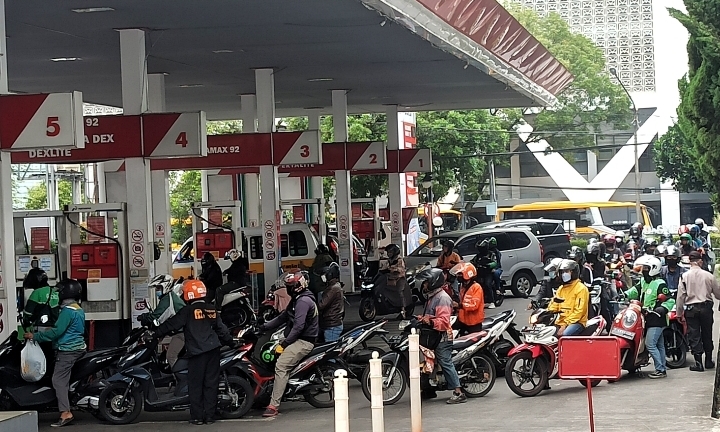
JAKARTA – Starting today, June 10, 2026, the prices of Pertamax and Pertamax Green have increased.
This adjustment was decided after coordination with the government as the regulator and is carried out according to a periodic evaluation mechanism that considers developments in world oil prices and economic market prices.
It was explained that the adjustment of non-subsidized fuel prices follows applicable regulations and is part of the implementation of energy governance aimed at maintaining a balance between business sustainability, service quality, and certainty of energy supply for the public.
“The price adjustment for Pertamax and Pertamax Green was made after going through an evaluation process according to the price formula set by the government. The selling price was decided while still coordinating with the government as the regulator, and is part of efforts to maintain the sustainability of energy supply and distribution of quality fuel for the public to continue running optimally,” it said.
Continuous efforts are made to maintain the availability and quality of fuel products throughout Indonesia, while ensuring services to the public continue to run well.
“We ensure that the supply of Pertamax and Pertamax Green remains safe and available at the Pertamina gas station network. The public can obtain the latest fuel price information through official Pertamina channels, Pertamina Patra Niaga, or the MyPertamina application,” it explained. List of Non-Subsidized Retail Fuel Prices at Gas Stations as of June 10, 2026:
Pertamax Series
Pertamax (RON 92): from Rp. 12,300/liter to Rp. 16,250/liter
Pertamax Green 95 (RON 95): from Rp. 12,900/liter to Rp. 17,000/liter.
Pertamax Turbo (RON 98): Rp. 20,750/liter (unchanged).
Dex Series
Dexlite (CN 51): Rp. 23,000/liter. (unchanged)
Pertamina Dex (CN 53): Rp. 24,800/liter. (unchanged).
Riau Street
Bandung City
Jakarta
Riau Street
Bandung City
Jakarta
Related news

Bandung unemployment rate at 7.44 percent; courses and training close the skills gap for the workforce.

“Hundreds of People and Dozens of Teachers Show Support for Ahmad Zuhdi, Quran Teacher Fined 25 Million Rupiah”

External Affairs Minister Arrives in Indonesia for Asian-African Conference

Extrajoss Ultimate Takeover Bandung Invites Young People to Celebrate Their Dreams for 2026