June has arrived, and the heat is rising. Museums in the capital are rolling out a splendid array of cultural activities. Let’s step into the museum city of 2026 together!
Beijing Baitasi (White Pagoda Temple)
The 2026 “Beijing White Pagoda Culture Week” is about to kick off!
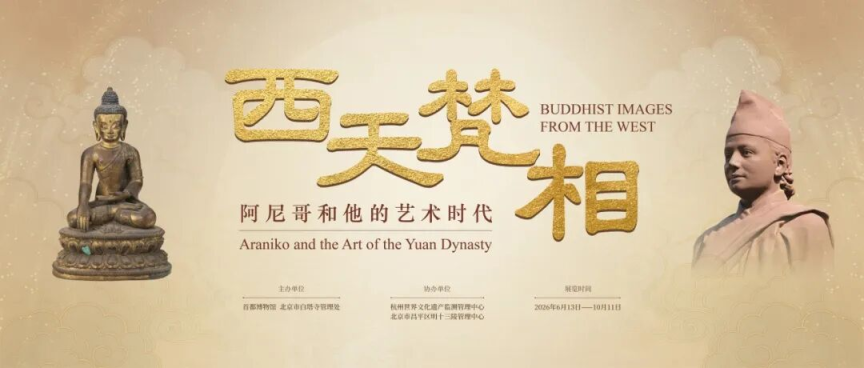
Starting June 13, the exhibition “Western Heavenly Buddhist Art: The Sinicization of Yuan Dynasty Buddhist Art” will be on free public display at the Dajue Hall of the Baitasi Management Office. The exhibition takes as its main thread the “Western Heavenly Buddhist Art” sculptural style pioneered by the pagoda’s designer, Yuan Dynasty craftsman Anige. It is divided into three major sections: “Origin of Buddhist Art & Master Craftsman,” “Integration of Han and Tibetan Buddhist Art,” and “Legacy of Buddhist Art.” The exhibition vividly recreates Anige’s life achievements and the unique style resulting from the fusion of Tibetan, Han, and Tangut art. Exhibits include exquisite Buddhist statues from various periods, supplemented by multimedia interactive experiences, allowing visitors to experience the beauty of Yuan Dynasty sculpture in one stop and understand the open and inclusive cultural character of the Chinese nation.
This event is part of the “2026 Beijing White Pagoda Culture Week” series. In addition, the culture week will also feature cultural lectures, public events, and a cultural market. Friends who want to experience Nepalese cuisine, local “Henna” art, or purchase exotic cultural and creative products should not miss it!
For event details, please check:
National Museum of Classic Books
Want to improve your eloquence or learn performance skills? This event is perfect!
Children, the summer vacation is coming. Do you want to become a little ambassador for classic book knowledge? The National Museum of Classic Books is now recruiting for the 2026 summer “I Am a Little Guide” program! Children who want to improve their eloquence, communication skills, and self-confidence should check out this event!
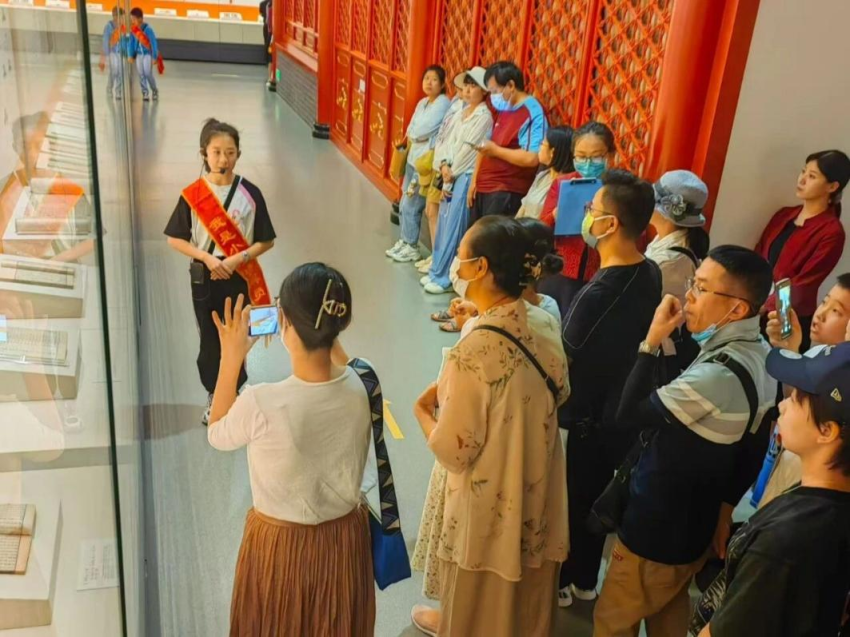
This summer, two special courses will be offered:
1. A basic course focused on explanation training, covering the exhibitions: “Memory of Oracle Bone Inscriptions” and “The Return and Rebirth of the Yongle Encyclopedia.”
2. A “Yongle Encyclopedia Drama Special Course” centered on theater performance, covering the exhibition: “The Return and Rebirth of the Yongle Encyclopedia.”
Each course has its own characteristics and focus, so children can choose according to their needs.
All little guides who pass the assessment can join the “National Museum of Classic Books Volunteers” team and become little ambassadors of classic book knowledge!
For event details, please check:
Xuan Nan Culture Museum
Wonderful plays continue in June, don’t miss them!
Beijing Xuan Nan Culture Museum continues to stage two immersive plays in
Beijing Baitasi (White Pagoda Temple)
Beijing Baitasi (White Pagoda Temple)
Dajue Hall
National Museum of Classic Books
Memory of Oracle Bone Inscriptions
The Return and Rebirth of the Yongle Encyclopedia
Xuan Nan Culture Museum
Related news
For more information, please download the CCTV News app.
Xi Jinping tours Temple of Heaven with U.S. President Trump
President Xi Jinping and Hereditary Prince Alois of Liechtenstein Exchange Congratulatory Messages on the 75th Anniversary of Diplomatic Relations Between China and Liechtenstein.

Yanran Angel Children’s Hospital Faces Rent Dispute