JAKARTA — The new student admission period for the 2026/2027 academic year should be a hopeful time for parents to provide the best access for their children. However, amid intense competition, this first gateway to education at various levels remains vulnerable to corrupt practices.
Based on the results of the 2024 Education Integrity Survey, the national education integrity index is currently stuck at 69.5. More concerning, in the governance dimension, the score has plummeted to 56.68.
The Director of the KPK Education Network stated that there are several crucial findings from the 2024 Education Integrity Survey highlighting the crisis of transparency and integrity in the educational environment. “As many as 28 percent of new student admission processes are marred by illegal fees. This figure has jumped significantly from the previous period, which was at 24.65 percent,” she said.
The Education Integrity Survey was conducted from April 13 to July 31, 2026. This survey involved various elements of society and educational institutions as an evaluation tool for anti-corruption strengthening efforts over the past year.
Based on the Education Integrity Survey, 51.04 percent of schools and universities are considered insufficiently transparent regarding details of education costs, including donation funds and other activities. The Director of the KPK Education Network stated, “There are 30 percent of educators who still consider gratuities as normal. On the other hand, 65 percent of schools mentioned that parents often give ‘gifts’ or presents, especially during holidays or grade promotions,” she explained.
According to her, the normalization of gift-giving in the educational environment is a danger alarm. This practice not only harms law-abiding citizens but also fosters corrupt behavior and conflicts of interest in the future.
“How can we expect children to grow into individuals with integrity if, from the very beginning, what they see is full of cheating? Do not let cheating become the foundation of education,” she said in a written statement on Monday.
The Essence of Education
Similarly, the Head of the Secondary and Higher Education Task Force at the KPK Education Network reminded that the essence of national education is not just to produce a smart generation but also to build character. “Do not let children learn that success can be achieved through connections or money, not through a fair process. If that is exemplified from the start, anti-corruption values will be difficult to grow,” he said.
Allowing minor violations in the school environment has the potential to become the seed of major corruption. This is reflected in KPK enforcement data since 2004: bribery and gratuity crimes dominate with 1,100 cases, or 61.73 percent of the total cases.
“As a preventive measure, the KPK has issued Circular Letter Number 7 of 2026 on Corruption Prevention and Gratuity Control in the Implementation of Education on May 25,” he said.
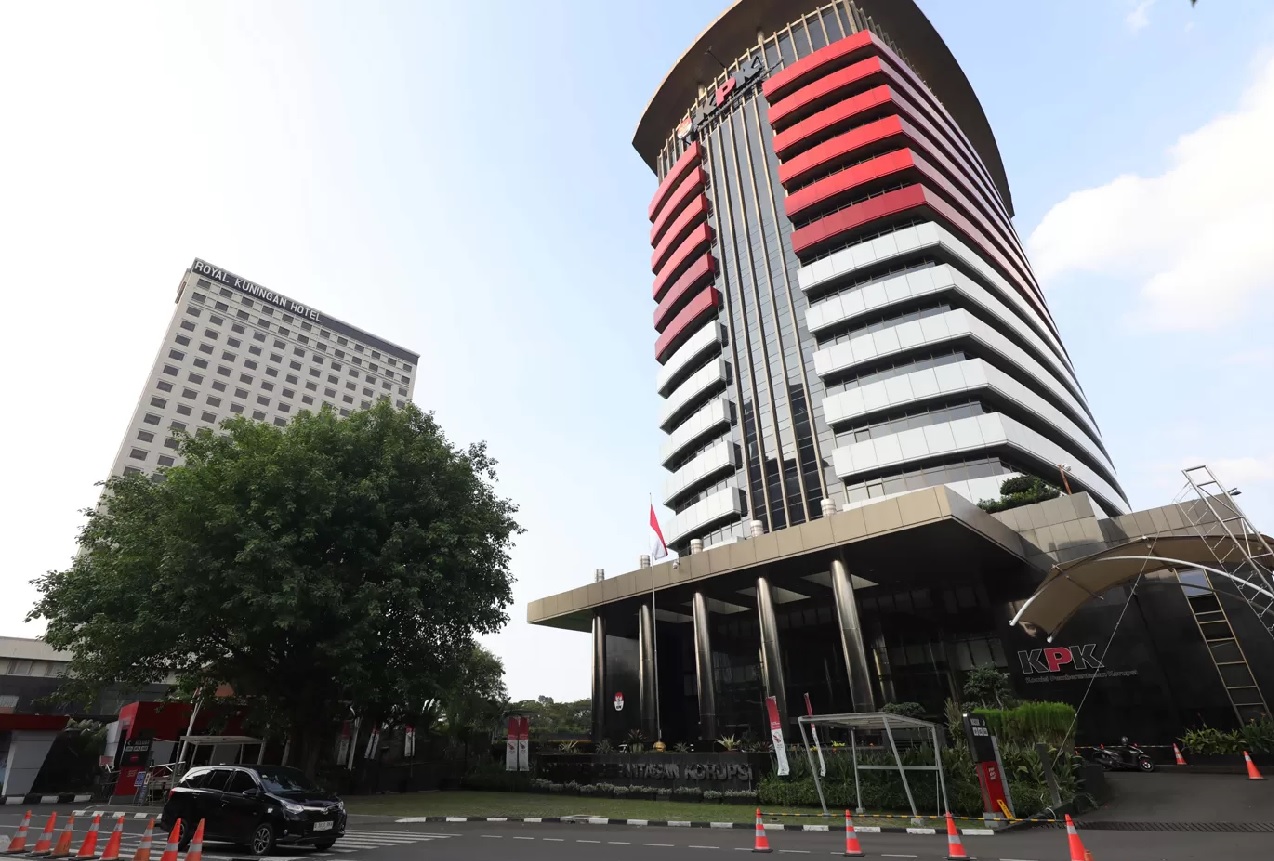
KPK Building
Jakarta
KPK Building, Jakarta
Jakarta
Related news
Bandung City Government Ready to Face Lawsuit from Former Bandung Zoo Management

Luxury Casino in Bandung Raided by Police After Only Three Days of Operation

The Excitement of The Unknown Creatures Exhibition

The Sparkling Apple Cider Drunk by Prabowo-Macron to Viral Lontong in Bandung