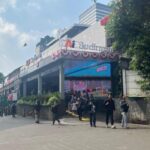
Tugu Utara is a historic area located in North Jakarta, Indonesia, known for its significance during the colonial era. The site features a monument (
Cakung Lama River
The Cakung Lama River is a historic waterway in Jakarta, Indonesia, that once served as a vital trade and transportation route during the colonial era. It was part of the Dutch East India Company’s network of canals, built to connect Batavia (old Jakarta) with surrounding areas for economic and military purposes. Today, the river is largely overshadowed by modern development, but it remains a reminder of Jakarta’s colonial infrastructure and environmental challenges.
Koja
Koja is a historic neighborhood in Istanbul, Turkey, located on the Asian side of the Bosphorus. Its name derives from the Persian word “koja,” meaning “small castle,” and the area was once home to a Byzantine fortress. Today, Koja is known for its charming seaside promenade, traditional wooden houses, and the iconic Maiden’s Tower nearby.
Cilincing
Cilincing is a coastal subdistrict in North Jakarta, Indonesia, historically known as a key port area during the Dutch colonial era due to its strategic location along Jakarta Bay. Today, it is a densely populated, working-class neighborhood characterized by a mix of fishing communities, traditional markets, and small-scale industries. The area also hosts the Cilincing Maritime Tourism Village, which aims to preserve local maritime culture and promote eco-friendly tourism.
Kelapa Gading
Kelapa Gading is a densely populated residential and commercial district in North Jakarta, Indonesia. Its name, meaning “coconut ivory” in Indonesian, is derived from a type of palm tree once common in the area. Originally developed in the 1970s as a planned satellite city, it has since grown into a major hub for shopping, dining, and entertainment, while still retaining some of its historic, older neighborhoods.
Tugu Utara
Tugu Utara is a historic area located in Jakarta, Indonesia, known for its connection to the city’s Dutch colonial past. It was once the site of a prominent monument (tugu) marking the northern boundary of Batavia, the colonial name for Jakarta. Today, the area reflects a blend of colonial-era architecture and modern urban development, serving as a reminder of Jakarta’s layered history.
Surp Yerrortutyun Armenian Church
Surp Yerrortutyun Armenian Church, also known as the Holy Trinity Church, is an Armenian Apostolic church located in the city of Gyumri, Armenia. Originally built in the 19th century, it was severely damaged by the devastating 1988 Spitak earthquake and subsequently restored, reopening in 2001. The church stands as a symbol of resilience and faith for the local Armenian community, reflecting both its historical roots and post-disaster revival.
Beyoğlu district
Beyoğlu is a vibrant district in Istanbul, Turkey, known for its historic Istiklal Avenue and lively cultural scene. Originally a Genoese settlement in the medieval period, it later became a cosmopolitan hub of the Ottoman Empire, home to European embassies and diverse communities. Today, it remains a dynamic center for art, nightlife, and commerce, blending its rich history with modern energy.
Istanbul
Istanbul, historically known as Byzantium and later Constantinople, is a transcontinental city in Turkey that bridges Europe and Asia. It served as the capital of the Roman, Byzantine, and Ottoman Empires, making it a rich cultural and historical hub for over two millennia. Today, it is renowned for landmarks like the Hagia Sophia, the Blue Mosque, and the Grand Bazaar, reflecting its layered heritage.