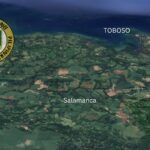
General Santos City was placed under a state of calamity on Monday afternoon following the effects of the earthquake that hit Maasim, Sarangani.
The declaration was issued after several infrastructures were damaged, including a two-story supermarket in Barangay Calumpang in General Santos City that collapsed.
Meanwhile, it was also reported that the ceiling of the Holy Cross Parish church collapsed. Other structures, including the City Council building, were also damaged during the quake.
According to a video uploader, power was restored in the area on Monday evening.
Two bodies were recovered from a facility by personnel from the Philippine Red Cross.
General Santos City
General Santos City, located in the southern Philippines, was originally a settlement established in 1939 by General Paulino Santos and other settlers. It grew rapidly due to its agricultural and fishing industries, earning the nickname “Tuna Capital of the Philippines.” Today, it is a bustling urban center known for its vibrant economy and cultural diversity.
Maasim, Sarangani
Maasim is a coastal municipality in the province of Sarangani, Philippines, located at the southernmost tip of Mindanao. Historically, it was part of the larger municipality of Glan before becoming an independent municipality in 1995, and it is known for its diverse indigenous communities, including the Blaan and T’boli peoples, as well as its scenic beaches and the presence of the Maasim Power Plant. The area also features cultural sites like the Maasim Church and local festivals that celebrate its rich heritage and natural resources.
Barangay Calumpang
Barangay Calumpang is a district in the city of General Santos, Philippines, known for its historical significance as the landing site of the first Christian missionaries who arrived in 1939. It later became a key area for agricultural development, particularly in rice and corn farming, contributing to the city’s growth. Today, it is a bustling community that blends its rural roots with urban progress.
Holy Cross Parish church
Holy Cross Parish Church, located in various cities worldwide, is a Roman Catholic place of worship with deep historical roots, often dating back to the 19th or early 20th century. Many of these churches were built to serve growing immigrant communities, featuring distinctive architectural styles like Gothic Revival. They continue to function as active parish centers, preserving local heritage through their religious and community roles.
City Council building
The City Council building serves as the administrative hub for a city’s local government, where elected officials hold meetings and make decisions on municipal policies. Historically, many such buildings were constructed in the 19th or early 20th centuries, often featuring grand architectural styles like Neoclassical or Gothic Revival to symbolize civic pride and authority. Over time, they have become iconic landmarks that reflect a city’s growth and governance traditions.
General Santos City
General Santos City, located in the southern Philippines, is a major economic hub known for its thriving tuna industry and often called the “Tuna Capital of the Philippines.” Originally a settlement of indigenous B’laan people, it was later named after General Paulino Santos, who led the development of agricultural colonies in the area in the 1930s. Today, the city is a vibrant urban center that blends its agricultural roots with modern commerce and tourism.
Maasim, Sarangani
Maasim is a coastal municipality in the province of Sarangani, Philippines, known for its stunning beaches and the presence of the Maasim River. Historically, the area was part of the Sultanate of Maguindanao and later became a settlement for indigenous groups like the Blaan and T’boli, with its name possibly derived from the local word for “sour” due to the acidic taste of its river water. Today, it is recognized for its agricultural produce, eco-tourism spots, and the Maasim National High School, reflecting its growth from a traditional community into a developing town.
Barangay Calumpang
Barangay Calumpang is a historic district in Manila, Philippines, known as the site where the Katipunan, the secret revolutionary society, was founded on July 7, 1892. It is also the location of the house where Andrés Bonifacio and his fellow revolutionaries tore their *cedulas* (tax certificates) in defiance of Spanish colonial rule. Today, the area is marked by the Bonifacio Shrine, commemorating its key role in the Philippine Revolution.
Holy Cross Parish church
Holy Cross Parish Church, often located in various communities worldwide, is a Catholic place of worship with roots often dating back to the 19th or early 20th century. Its history typically reflects the growth of local immigrant populations and their dedication to establishing a spiritual home, with many original buildings having been expanded or rebuilt over time. Today, it serves as a central hub for religious services and community gatherings, preserving its historical legacy while evolving to meet modern needs.
City Council building
The City Council building, often called City Hall, serves as the administrative center for a city’s government, housing the mayor’s office and council chambers. Many historic city halls, such as those in Philadelphia or San Francisco, were built in the 19th or early 20th centuries in grand architectural styles like Beaux-Arts or Renaissance Revival, symbolizing civic pride. These buildings have frequently been the sites of key political decisions, public protests, and community events, reflecting the evolving history of urban governance.