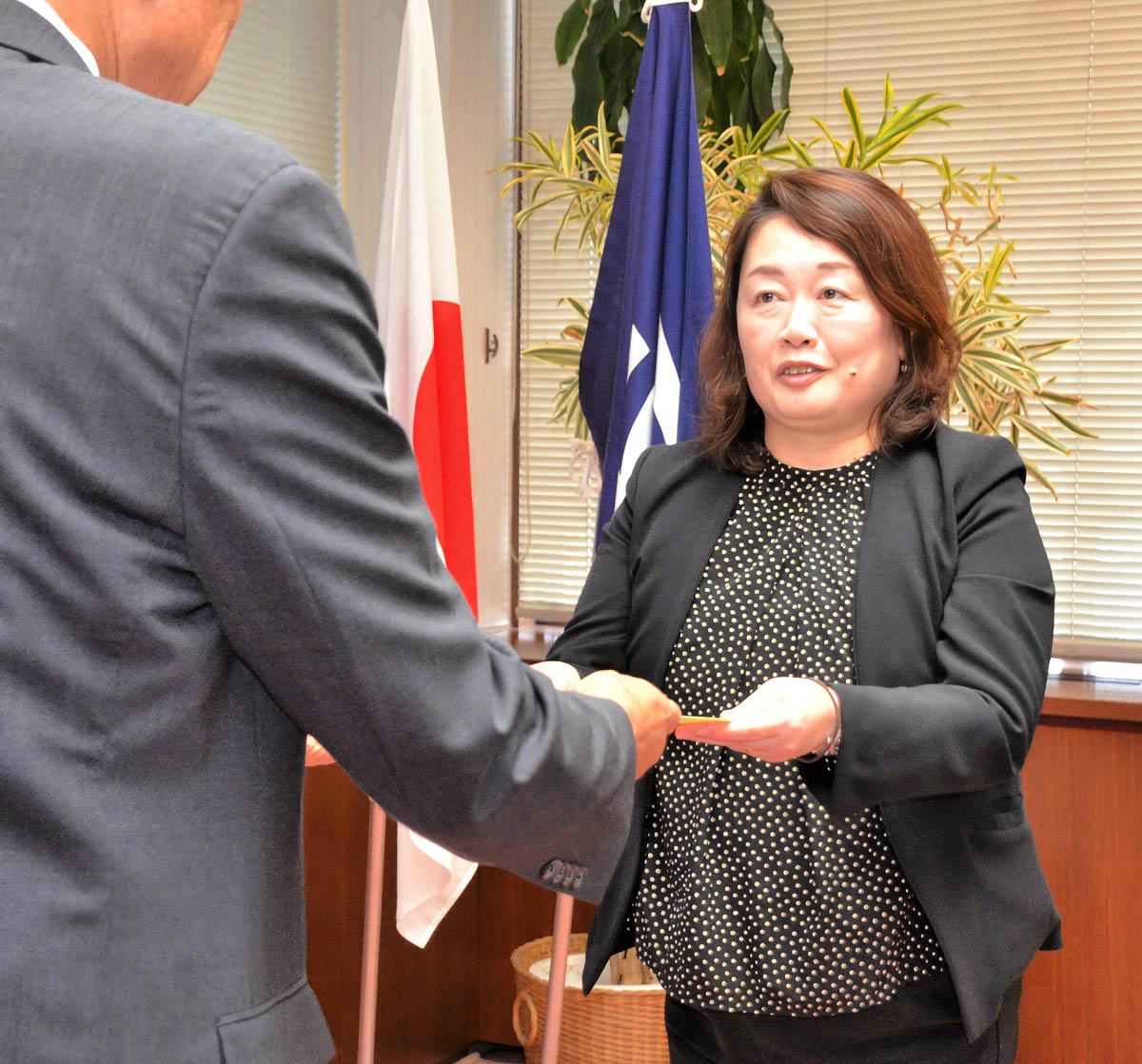
In 2020, a condominium site slope collapsed in Zushi City, resulting in the death of an 18-year-old female high school student who was buried in the mud. In connection with this accident, approximately 180 million yen from the estate of Yoneko Kawakami, a local housewife who passed away last year at the age of 89, was donated to the city this May for slope collapse prevention measures. Deeply affected by the tragedy, Ms. Kawakami left a will stating that the funds should be used “to create a city where residents can live safely without fear.” Carrying on her wishes, the city will proceed with reinforcement work on hazardous slopes.
According to acquaintances, Ms. Kawakami had a husband who served as a trustee at a private university in Tokyo and a daughter who was a company employee. She moved from Tokyo to Zushi in her youth, and the three lived together.
Ms. Kawakami devotedly cared for her husband, who suffered from diabetes, by preparing healthy lunches every morning in consultation with a doctor. However, her husband passed away in 2021. Her beloved daughter died in 2020 after a recurrence of cancer. Having lost both her husband and daughter, Ms. Kawakami had no relatives left. She relied on Yoko Obonai, a judicial scrivener with an office in the city, appointing her as the executor of her will.
When Ms. Obonai discussed the will with Ms. Kawakami at her home in 2021, Ms. Kawakami referred to the 2020 slope collapse accident and stated, “Such an accident must never happen again. I want the money used for slope prevention measures.” She expressed her intention to donate her entire estate, including the inheritance left by her husband and daughter, to the city.
During her lifetime, Ms. Kawakami repeatedly spoke to those around her about her feelings regarding the tragedy that took the life of an 18-year-old. Tetsuya Kobayashi, the manager of the beauty salon “It’s SEIKO,” which she had frequented for nearly 30 years, recalled, “She said it was painful to see a young life lost. Having lost her own daughter, she might have seen a parallel.” Ms. Kawakami would bring apple pies and rice for the staff when she visited the salon. Manager Kobayashi remembered her as “a person who gave so much love.”