Read in 10 seconds
- Manufacturers recommend replacing running shoes every 500 to 800 kilometers based on general average usage standards.
- Some running shoe models, such as the Hoka Clifton and Brooks Ghost, have proven to maintain comfort up to 1,000 kilometers.
- The condition of running shoes should be determined by wearing comfort, cushioning condition, and outsole wear, not just mileage numbers.
Many runners often wonder when they should actually replace their shoes. Some manufacturers recommend replacement within the range of 500 to 800 kilometers. However, in the real world, many runners remain comfortable using certain shoes even after surpassing that number.
Of course, not all shoes have the same durability. Some models begin to decline in performance after a few hundred kilometers, but others still feel comfortable even after accompanying training for months.
Within the running community, this category is often referred to as “workhorse shoes” or daily trainers that can truly be used almost every day.
Here are several models known for their durable reputation and lasting comfort even at high mileage.
1. Hoka Clifton
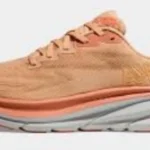
The Hoka Clifton has long been known as one of the most consistent daily trainers. Many runners report still feeling comfortable using it after reaching 800 to 1,000 kilometers. The cushioning does gradually decrease, but its soft and stable character remains noticeable enough for easy runs and relaxed long runs.
2. ASICS Gel-Nimbus
The ASICS Gel-Nimbus is often called the “luxury sedan” of the running world. Besides being comfortable from the first kilometer, this series is also known for having a durable outsole. Quite a few runners still use it for light training after mileage approaches four digits.
3. New Balance Fresh Foam 1080
New Balance has built a strong reputation with the 1080 series. The combination of comfortable foam and a fairly wear-resistant outsole makes this model often recommended for runners who do not want to buy new shoes too frequently.
4. Adidas Supernova Rise
Not all runners need super-fast shoes. Many are actually looking for a model that is comfortable for daily training, and this is where the Adidas Supernova Rise has started gaining a lot of attention. The balanced cushioning character makes it comfortable for various types of training, while the outsole durability is one of the plus points often praised by users.
5. Ortuseight Hyperblast
In the local category, the Ortuseight Hyperblast has become one of the most frequently mentioned names in the runner community. Many users report this model remains comfortable after hundreds of kilometers of use. Besides being lightweight, its outsole is also relatively resistant to harsh urban asphalt conditions.
6. 910 Nineten Haze Series
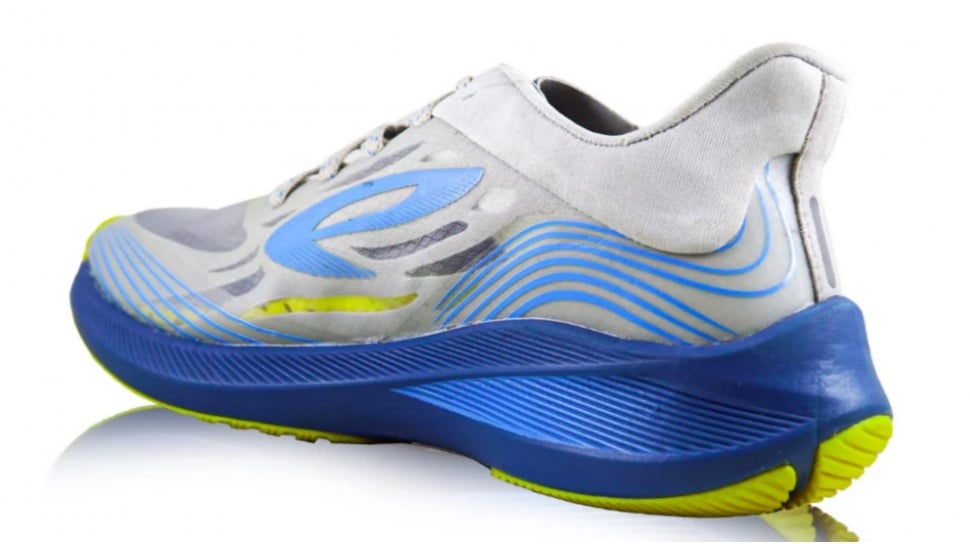
The 910 Nineten is starting to build a strong reputation among urban runners. Besides its modern design, several of their daily trainer series are known to be quite durable for regular weekly training.
7. Brooks Ghost
When talking about durable shoes, many senior runners immediately mention the Brooks Ghost. This model may not be very viral on social media, but it has an outstanding reputation for durability. Some users even still wear it after surpassing 1,000 kilometers for casual jogging.
What Makes a Shoe Durable?
Interestingly, a shoe’s lifespan is not solely determined by the brand. Several other factors also play a role, such as the runner’s body weight, running style, the type of surface frequently used, and weekly training frequency.
Shoes that are rotated with another pair also tend to be more durable compared to those used every day without a break.
Therefore, the 1,000-kilometer mark is not an absolute benchmark. Some shoes remain comfortable after surpassing that number, while others start to lose performance more quickly.
Do Not Just Look at Kilometers
Many runners focus too much on mileage numbers, even though the signs that shoes need replacing are often easier to feel than to calculate. When the cushioning starts to feel hard, feet get tired more quickly, or the outsole begins to wear unevenly, these are usually signals that the shoe’s lifespan is nearing