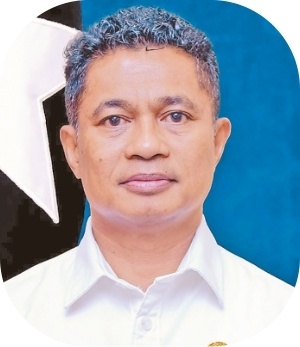
“China has successfully achieved the goal of eradicating absolute poverty, lifting hundreds of millions of people out of poverty. This is a great historic achievement.” The Deputy Prime Minister of Timor-Leste, Mariano Assanami Sabino, recently stated in an interview that China shares its poverty reduction experience with Global South countries, shares development opportunities, and plays a leading role in advancing global poverty reduction cooperation.
Sabino has visited China multiple times and has in-depth observations and real feelings about China’s development achievements in various fields. “China’s economic strength and global influence have significantly improved. The whole world clearly sees that China has made tremendous progress in technology, infrastructure, modernization, and other areas. These achievements deserve recognition and respect from the international community,” Sabino said. He noted that China’s development is not only about GDP growth but also reflected in the continuous improvement of people’s quality of life, “which demonstrates a people-centered development philosophy.”
Sabino is deeply impressed by China’s practices and results in promoting comprehensive rural revitalization. “China’s rural development not only improves local infrastructure conditions but also takes measures to create job opportunities for young people, striving to raise the living standards of local residents and help them achieve stable and fulfilling lives.” He gave an example from his visit to Guilin, Guangxi, where local authorities made great efforts to improve rural transportation, leverage abundant local tourism resources to develop distinctive rural tourism, and accelerate e-commerce development. These practices all contribute to promoting local sustainable development.
Sabino stated that as a young developing country and a new member of ASEAN, Timor-Leste faces severe poverty challenges. Timor-Leste hopes to learn from China’s experience in rural development, food security, agricultural modernization, and youth employment. “It is important to learn the Chinese governance behind its successful poverty reduction, including long-term planning, efficient execution, substantial investment in human resources, and ensuring that development achievements are shared,” Sabino said.
“China brings hope for the development of poverty reduction in the Global South. China cooperates with many developing countries, including Timor-Leste, in areas such as agriculture and infrastructure, and the development outcomes will benefit the whole world.” Sabino noted that Timor-Leste has already cooperated with China in farmer training, agricultural technology transfer, and rural infrastructure optimization. Among these, China’s hybrid rice agricultural technology cooperation project has not only increased Timor-Leste’s grain output but also helped improve local irrigation systems and promote agricultural technology, boosting rural development.
Sabino expressed that Timor-Leste and China share deep friendship. “China supports Timor-Leste’s economic autonomy and diversified development through cooperation in infrastructure, agriculture, education, and many other fields. This fully reflects the profound traditional friendship between the two countries.”