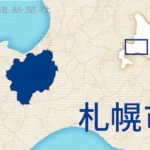
Moves to extend the Sapporo Municipal Subway are gaining momentum. Expectations among residents of Kiyota Ward and Teine Ward have surged, and in the February general election, candidates based in these areas actively appealed that they would “secure national support.” Some are also advocating for an extension to Okadama Airport.
So, what will happen? In the latter half of the video, Yosuke answered questions from readers submitted about this article.
Sapporo Municipal Subway
The Sapporo Municipal Subway is a rapid transit system serving Sapporo, Japan, which opened in 1971 to coincide with the city’s hosting of the Winter Olympics. It consists of three lines—the Namboku, Tozai, and Toho lines—and is notable for its rubber-tired trains and extensive use of underground shopping arcades. The subway played a key role in transforming Sapporo into a modern, accessible urban center.
Kiyota Ward
Kiyota Ward is a residential and semi-rural district located in the southeastern part of Sapporo, Japan. Originally developed as a farming area during the Meiji era, it experienced significant growth and urbanization in the late 20th century, leading to its designation as a separate ward in 1997. Today, Kiyota is known for its green spaces, golf courses, and a blend of modern suburban life with historical agricultural roots.
Teine Ward
Teine Ward is a district located in Sapporo, Hokkaido, Japan, known for its scenic mountainous terrain and historical connection to coal mining. The area was originally developed in the late 19th and early 20th centuries as a mining community, with the Teine Mine operating until the mid-20th century. Today, it is a residential and recreational area, featuring attractions like the Sapporo Teine ski resort and remnants of its industrial past.
Okadama Airport
Okadama Airport is a small regional airport located in Sapporo, Japan, originally established as a military airfield during World War II. After the war, it was converted for civilian use and now primarily serves domestic flights within Hokkaido, offering a convenient alternative to the larger New Chitose Airport. Its history reflects the region’s post-war development and the ongoing need for accessible air travel across Hokkaido.