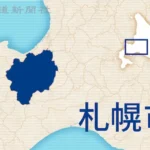
Momentum is building around the extension of the Sapporo Municipal Subway. Expectations among residents of Kiyota Ward and Teine Ward have surged dramatically, and during the February House of Representatives election, candidates with strong ties to these areas actively campaigned on promises to “secure national support.” Some are even advocating for an extension to Okadama Airport.
So, what will happen? In the latter part of the video, Yosuke answered questions from readers submitted regarding this article.
Sapporo Municipal Subway
The Sapporo Municipal Subway is a rapid transit system serving Sapporo, Japan, which opened in 1971 to support the city’s growth and the 1972 Winter Olympics. It features three lines—the Namboku, Tozai, and Toho—known for their rubber-tired trains, which provide quieter rides and better performance in snowy conditions. Today, it remains a vital part of Sapporo’s public transportation, carrying millions of passengers annually.
Kiyota Ward
Kiyota Ward is a suburban district in Sapporo, Hokkaido, Japan, known for its blend of residential areas and natural landscapes. Originally developed as part of Sapporo’s expansion in the late 20th century, it was officially established as a ward in 1997, incorporating former rural and agricultural lands. Today, it features parks like Kiyota Forest Park and is recognized for its quiet, family-friendly environment.
Teine Ward
Teine Ward is a suburban district located in the western part of Sapporo, Hokkaido, Japan. Historically, the area was developed in the early 20th century as a coal mining and industrial hub, with the Teine Mine playing a key role in its growth. Today, it is known for its residential communities, natural scenery, and the popular Teine Ski Resort, which hosted events during the 1972 Sapporo Winter Olympics.
Okadama Airport
Okadama Airport is a small regional airport located in Sapporo, Japan, primarily serving general aviation and short-haul flights. Originally established as a military airfield in 1942 during World War II, it was later converted to civilian use and now operates as a hub for domestic flights to destinations like Hokkaido’s outlying islands. Its history reflects the region’s shift from wartime infrastructure to peacetime transportation needs.