In a robbery and assault case at a residence in Tajimi City, Gifu Prefecture, one of the arrested men called the police, saying, “I saw the news about a robbery-murder case and didn’t want to end up the same way.”
Mitsuhiro Nakamura and Masaya Mizuno, both from Nagoya City, were sent to prosecutors on the morning of the 5th on suspicion of breaking into a home in Tajimi City, Gifu Prefecture, on the night of May 30 with the intent to steal valuables, and injuring an 80-year-old female resident in the process.
Gifu Prefecture
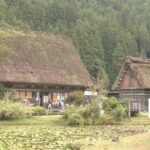
Gifu Prefecture, located in central Japan, is known for its rich history and scenic mountain landscapes, including the historic city of Takayama and the UNESCO World Heritage site of Shirakawa-go. The region played a key role during the Sengoku period as the base of warlords like Oda Nobunaga, who unified much of Japan from Gifu Castle. Today, it is celebrated for its traditional crafts, such as Mino-washi paper, and cultural practices like cormorant fishing on the Nagara River.
Tajimi City
Tajimi City, located in Gifu Prefecture, Japan, is renowned as a historic center for ceramic production, particularly Mino ware, which dates back over 1,300 years. The city flourished during the Edo period as a major supplier of pottery and tiles, and today it preserves this heritage through sites like the Tajimi City Museum of Ceramic Art and the iconic Oribe Village. Its cultural significance remains strong, blending traditional craftsmanship with modern ceramic artistry.
Nagoya City
Nagoya City is a major industrial and cultural hub in central Japan, historically known as the seat of the Owari branch of the Tokugawa clan during the Edo period. Its most famous landmark, Nagoya Castle, was built in 1612 by Tokugawa Ieyasu to secure a strategic post along the Tōkaidō road. Today, the city blends its samurai-era heritage with modern attractions, including the Nagoya Science Museum and the bustling Osu shopping district.