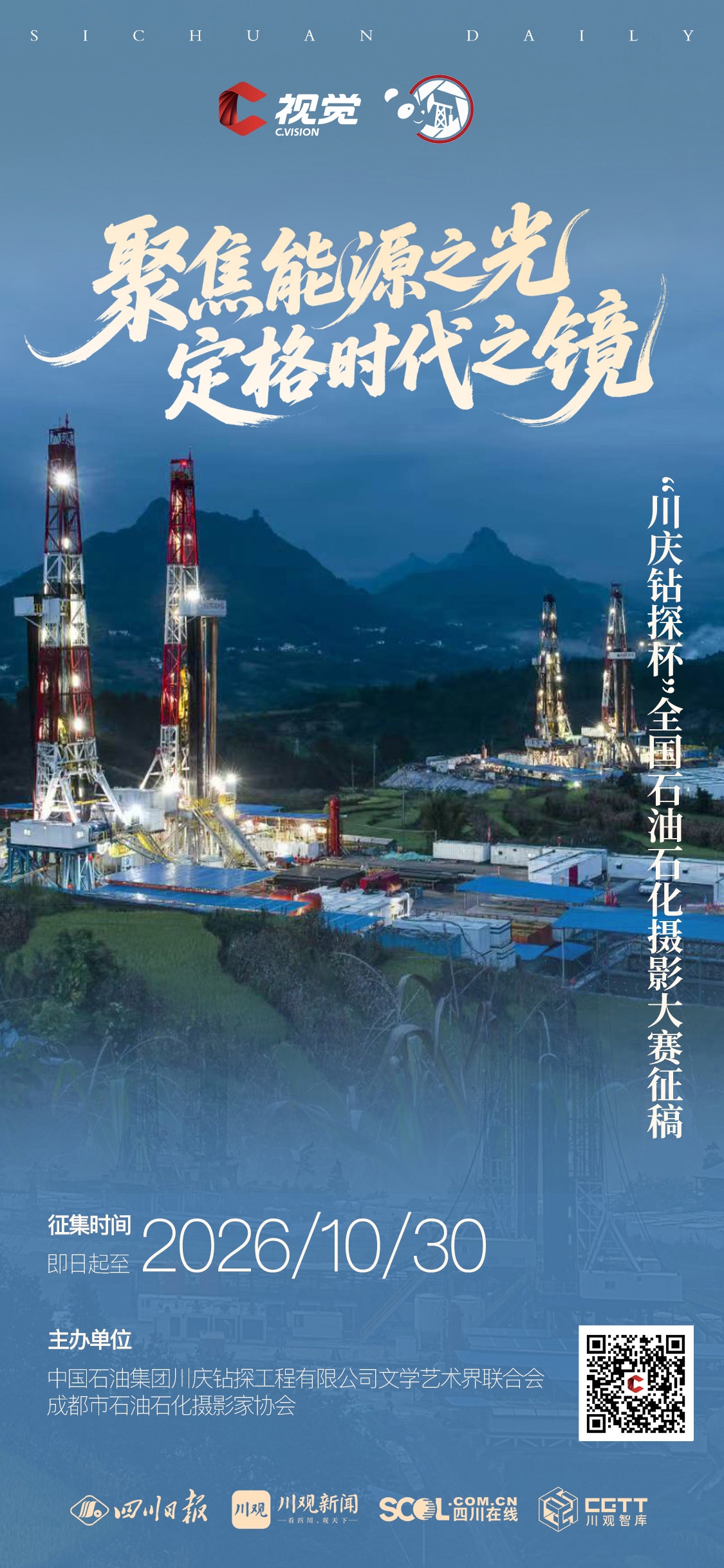
Focusing on the light of energy, freezing the mirror of the era. The “Chuanqing Drilling Cup” National Petroleum and Petrochemical Photography Competition uses petroleum and petrochemical imagery as a bridge to widely exchange with the global photography community, jointly developing photographic art and creating an important platform that promotes the integration of energy construction and visual culture.
The competition showcases major achievements in production, construction, and photographic creation within China’s petroleum and petrochemical industry over the past six years since 2021. It displays the practical results of photographers exploring petroleum and petrochemical themes in photographic art, promoting the exchange, integration, and common development of China’s petroleum and petrochemical photography culture. All contributing photographers are invited to capture the beauty of petroleum and petrochemicals through their lenses and tell the energy stories of the new era through images.
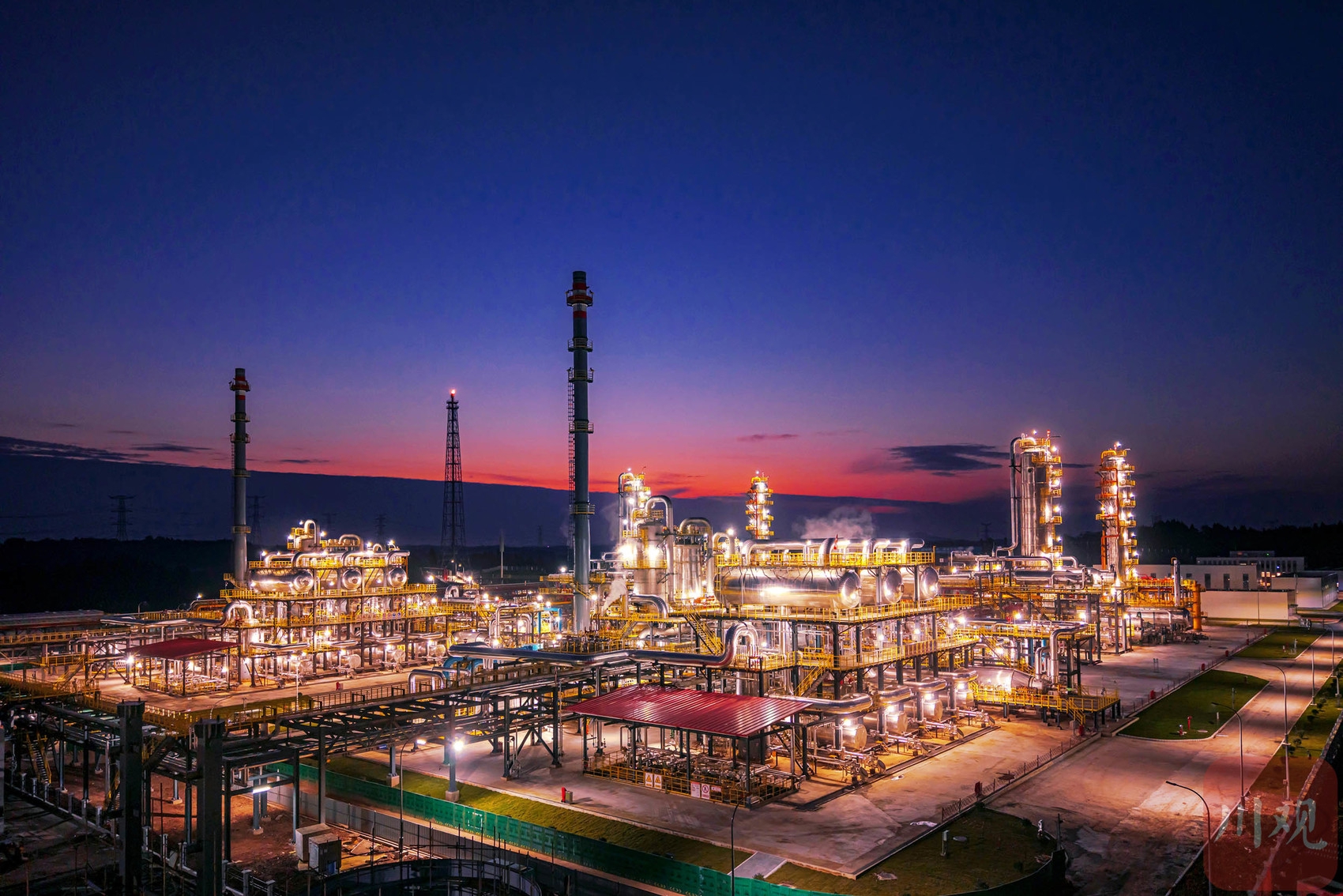
On September 25, 2025, the first series of units at the Anyue Second Purification Plant of PetroChina Southwest Oil and Gas Field in Ziyang City, Sichuan Province, successfully received gas, marking the official commissioning of the largest single-train sour gas purification plant in China.
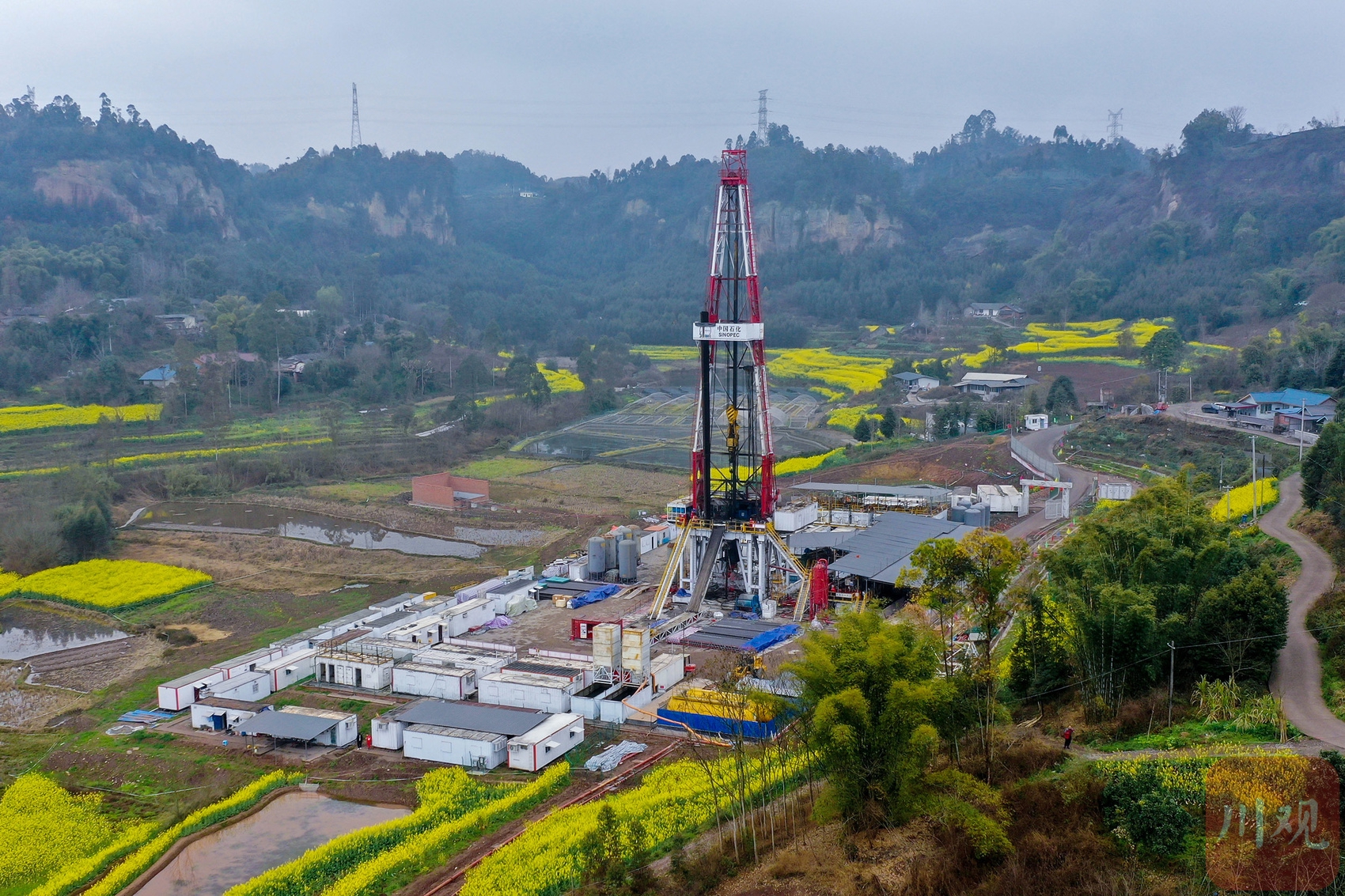
On February 26, 2024, the Jin Shan 105H well, operated by Sinopec Chongqing Drilling Branch in Leshan City, Sichuan Province, overcame construction difficulties such as lost circulation and successfully drilled to a depth of 4,200 meters.
Submission Period
From now until October 30, 2026 (based on the time of successful submission).
Content Direction
Closely align with the national “15th Five-Year Plan” strategic deployment and key petroleum and petrochemical work for image creation, focusing on but not limited to the following seven dimensions:
1. Scenes of “Engine” in Technological Innovation and Digital Empowerment
Major scientific and technological breakthroughs, technical innovation sites, digital transformation applications, etc.
2. Scenes of “Transformation” in Market Expansion and Lean Management
Frontline petroleum and petrochemical marketing, international project highlights, collaborative operations between Chinese and foreign employees, cross-cultural exchanges, lean management, and craftsmanship spirit, etc.
3. Scenes of “Pioneer” in Green Transformation and Ecological Harmony
Large-scale application of new energy, ecological protection and restoration, integrated energy services, etc.
4. Scenes of “Pillar” in Value Creation and Energy Supply
Frontline exploration and development, refining and chemical transformation and upgrading, energy corridors and supply assurance sites, etc.
5. Scenes of “Foundation” in Responsibility, Care, and Human Touch
Rural revitalization assistance and oilfield-local livelihood projects, employee spirit and team culture, major events and ceremonies, etc.
6. Scenes of “Dialogue” in Historical Heritage and Future Vision
Comparison of traditional drilling rigs and old refining units with modern automation and intelligence, forward-looking layout of the petroleum and petrochemical future industry; exchanges between older generation oil workers and young scientific and technological workers, with the former staying true to their original aspirations and remaining active in their later years.
7. Images Commemorating Important Historical Milestones of the Petroleum and Petrochemical Industry
As a tribute to the 90th anniversary of the victory of the Red Army’s Long March, create images of petroleum and petrochemical production scenes along the route the Red Army traveled.
Submitted works must adhere to the correct political direction and value orientation, with positive, authentic, and objective content, fully highlighting the struggle journey and brilliant achievements of the petroleum and petrochemical industry, conveying the immense power of the energy cause through images.
Organizers
Literature and Art Federation of CNPC Chuanqing Drilling Engineering Co., Ltd.
Chengdu Petroleum and Petrochemical Photographers Association
Official Submission Website
“C Vision” Image Database Official Website: https://www.scph.cn/