
In Mumbai, a dispute has escalated over animal sacrifice during Bakrid in housing society compounds. After protests in societies in Dindoshi and Ghatkopar, the BMC revoked previously granted permission. Muslim residents say they have been performing the sacrifice for years with legal permission, while Hindu and Jain residents oppose it, citing hygiene and religious sentiments.
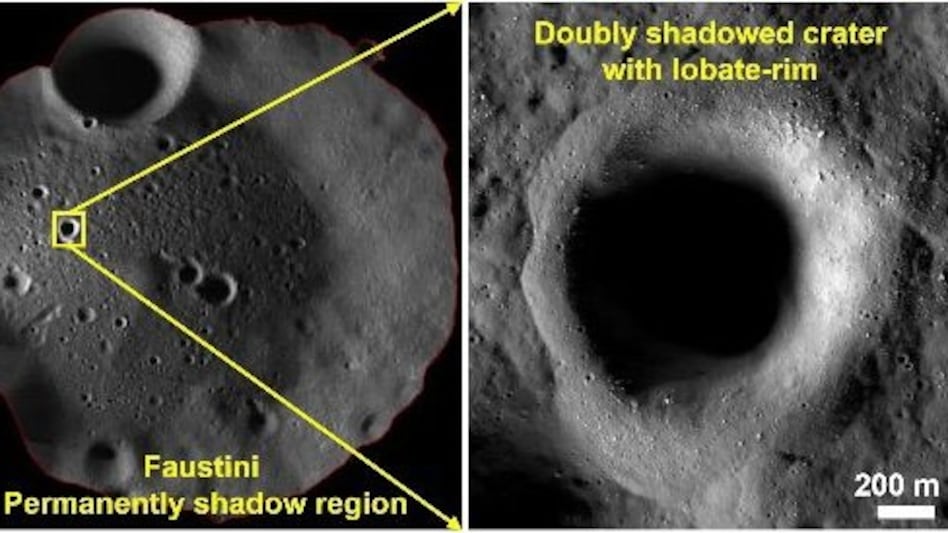
ISRO’s Chandrayaan-2 orbiter has detected strong evidence of water-ice buried beneath the surface at the Moon’s south pole. This discovery was made in extremely cold and dark craters, with temperatures as low as minus 248 degrees Celsius, using advanced radar technology (DFSAR). This ice on the Moon could be used for drinking water, oxygen, and rocket fuel in future human missions.
Mumbai
Mumbai, formerly known as Bombay, is a major port city on India’s west coast and the capital of Maharashtra. Originally a collection of fishing villages, it was ceded to the British as part of Catherine of Braganza’s dowry in 1661 and grew into a pivotal trading hub. Today, it is India’s financial, commercial, and entertainment capital, home to Bollywood and a rich mix of colonial and modern architecture.
Dindoshi
Dindoshi is a locality in the western suburbs of Mumbai, India, known for its proximity to the Sanjay Gandhi National Park and the Aarey Milk Colony. Historically, the area was part of the larger Aarey forest and was developed as a residential and commercial hub during Mumbai’s expansion in the late 20th century. Today, Dindoshi is recognized for its green spaces, local markets, and the Dindoshi Bus Depot, serving as a key transit point for the region.
Ghatkopar
Ghatkopar is a suburban neighborhood in Mumbai, India, with a history that traces back to the 18th century when it was a small fishing village. It developed rapidly after the construction of the Ghatkopar railway station in 1877 and the subsequent establishment of textile mills, transforming it into a major residential and commercial hub. Today, it is known for its diverse community, bustling markets, and landmarks like the Ghatkopar Hill and the Jagannath Temple.
<h3 class="text-lg
Mumbai
Mumbai, formerly known as Bombay, is a bustling port city on India’s west coast and the country’s financial and entertainment capital. Originally a collection of seven islands inhabited by fishing communities, it was ceded to the British in 1661 and rapidly developed into a major trading hub. Today, Mumbai is famous for landmarks like the Gateway of India, its vibrant film industry (Bollywood), and its diverse, dynamic culture.
Dindoshi
Dindoshi is a suburban locality in the western part of Mumbai, India, situated within the Goregaon area. Historically, it was a small village with a predominantly agricultural and tribal background, but it has transformed significantly in recent decades due to urbanization and the development of residential complexes and commercial establishments. Today, Dindoshi is known for its growing infrastructure, including the Dindoshi Bus Depot and proximity to the Sanjay Gandhi National Park.
Ghatkopar
Ghatkopar is a suburb located in the eastern part of Mumbai, India, with a history dating back to the early 20th century when it developed as a residential and commercial hub. Originally a small village, it gained prominence with the expansion of the railway network, particularly the Ghatkopar railway station established in 1907, which connected it to the city. Today, it is a bustling area known for its diverse culture, markets, and landmarks like the Ghatkopar Hill.
Chandrayaan-2
Chandrayaan-2 is India’s second lunar exploration mission, launched by the Indian Space Research Organisation (ISRO) in July 2019. It consisted of an orbiter, a lander named Vikram, and a rover named Pragyan, designed to study the Moon’s surface and south pole region. Although the lander crash-landed during its attempted touchdown, the orbiter continues to successfully orbit the Moon and send back valuable scientific data.
Moon’s south pole
The Moon’s south pole is a region of high scientific interest due to its permanently shadowed craters, which contain vast deposits of water ice. This area has never been visited by humans, but it is the planned landing site for future missions like NASA’s Artemis program, which aims to establish a long-term human presence there. Its unique environment offers potential resources for fuel and life support, making it a key target for lunar exploration.
Faustini crater
Faustini crater is a large, permanently shadowed impact crater located near the south pole of the Moon. Its deep interior has never been directly observed by sunlight, making it a significant site for scientific study due to the potential presence of water ice. The crater is named after Arnaldo Faustini, an Italian geographer and polar explorer.
Sanjay Gandhi National Park
Sanjay Gandhi National Park, located in Mumbai, India, is a vast protected area known for its rich biodiversity, including leopards, deer, and numerous bird species. Originally established as a national park in 1969, it was renamed after Sanjay Gandhi, the son of former Prime Minister Indira Gandhi, and has a history dating back to the 4th century BCE, with ancient Buddhist rock-cut caves like the Kanheri Caves located within its boundaries. Today, it serves as a crucial green lung for the densely populated city, offering a popular escape for nature lovers and hikers.
Jagannath Temple
The Jagannath Temple in Puri, India, is a revered Hindu temple dedicated to Lord Jagannath, a form of Vishnu, along with his siblings Balabhadra and Subhadra. Built in the 12th century by King Anantavarman Chodaganga Deva of the Eastern Ganga dynasty, it is famous for its annual Rath Yatra (chariot festival), during which the deities are paraded through the streets on massive wooden chariots. The temple is also notable for its unique architectural style and its tradition of offering Mahaprasad, which is cooked in earthen pots over a wood fire.