On the afternoon of the 27th, in the Meito Ward of Nagoya City, a passenger car driven by a grandfather collided with his granddaughter, a girl about lower elementary school age. The girl is in critical condition and unconscious.
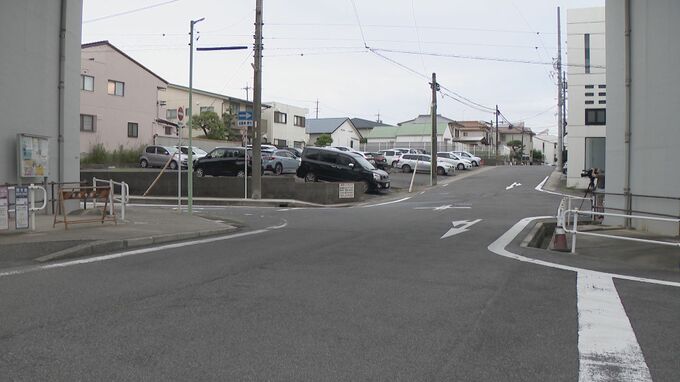
Around 3:45 p.m. on the 27th, on a road in Nozomigaoka, Meito Ward, a witness reported an accident involving a passenger car and a lower elementary school-age girl, stating that she had lost consciousness.
According to police and fire department officials, the girl had gotten out of the car driven by her 79-year-old grandfather and was holding onto part of the vehicle when the grandfather, unaware of her presence, started the car, causing it to strike her.
The girl was bleeding from her entire body and was transported to the hospital, but remains in critical condition and unconscious. Police are questioning the grandfather who was driving the car to investigate the details of the accident, including why the girl got out of the vehicle.
Meito Ward
Meito Ward is a residential and commercial district located in Nagoya, Japan, known for its blend of suburban tranquility and urban convenience. Historically, the area developed rapidly during the post-war period as Nagoya expanded, with landmarks like the Meito Ward Office and local parks reflecting its growth. Today, it is recognized for its family-friendly environment, shopping centers, and cultural spots such as the Nagoya City Higashi Sports Center.
Nagoya City
Nagoya City, located in central Japan, is a major industrial and cultural hub with a rich history tied to the Tokugawa clan, who built Nagoya Castle in the early 17th century. The city flourished as a key post town on the Tōkaidō road during the Edo period and later became a center for manufacturing, notably in ceramics, automobiles, and aerospace. Today, Nagoya blends its historical heritage, such as the reconstructed castle and Atsuta Shrine, with modern urban development.
Nozomigaoka
Nozomigaoka is a scenic hilltop location in Japan, often associated with panoramic views and a sense of hope, as its name translates to “Hill of Hope.” It is commonly developed as a residential area or park, with its history tied to post-war urban planning and land reclamation projects in regions like Hiroshima or other prefectures. The site symbolizes renewal and community building, reflecting Japan’s efforts to create peaceful, livable spaces after periods of reconstruction.