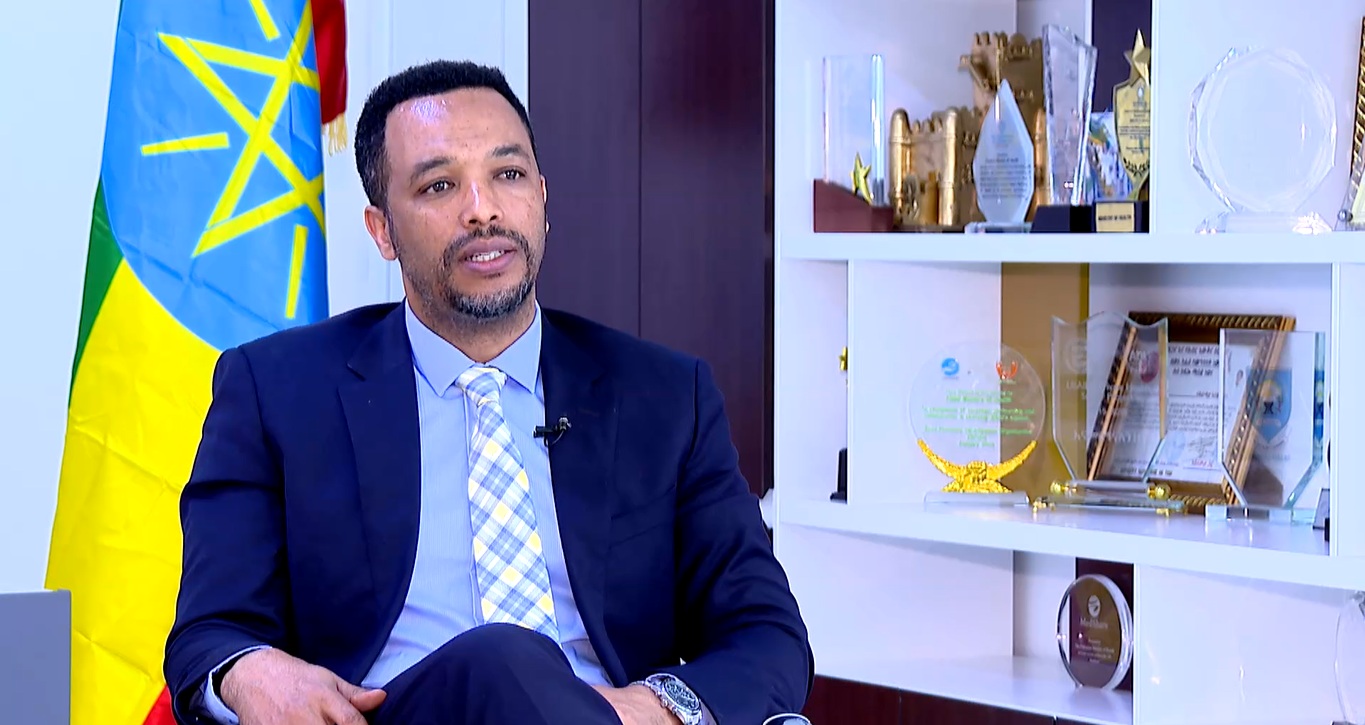
Addis Ababa, May 22, 2026 — The Ethiopian State Minister of Health, Dr. Dereje Duguma, confirmed that Ethiopia is steadily advancing toward strengthening its capacity to independently monitor and respond to epidemics, through comprehensive reforms in the health sector.
In a statement, Dr. Dereje explained that the country has implemented wide-ranging reforms at the policy and modernization program levels, aimed at enhancing preventive and curative healthcare systems across the nation.
The State Minister noted that these reforms have significantly contributed to developing health infrastructure, improving medical supply chains, and expanding access to high-quality health services nationwide.
He also reviewed the challenges Ethiopia faced during the global COVID-19 pandemic, which included shortages of diagnostic tools, medical oxygen, and intensive care facilities, emphasizing that this period served as a major turning point in the country’s health sector development strategy.
He said: “This experience provided crucial lessons and accelerated efforts to build a resilient health system capable of achieving self-sufficiency and rapid response to disease outbreaks.”
Discussing progress made, Dr. Dereje revealed that Ethiopia increased the number of medical oxygen production facilities from just three before the pandemic to 83 currently operating across the country.
He added that health institutions can now access life-saving oxygen supplies within a range not exceeding fifty kilometers.
He also explained that the number of hospitals equipped with intensive care units has risen significantly, from fewer than seventy hospitals to 198 nationwide.
The State Minister affirmed that these reforms have laid a strong foundation for enhancing independent crisis management and emergency health response.
In this context, he cited Ethiopia’s recent success in diagnosing and containing a Marburg virus outbreak, relying on national expertise and local systems.
He added that Ethiopia has also established a comprehensive epidemiological surveillance and monitoring system, aimed at early detection of recurring diseases and limiting their spread, including malaria and other seasonal illnesses.
Dr. Dereje noted that the Ministry of Health continues to invest in education, vocational training, and enhancing rapid response readiness, by deploying qualified health personnel across the country and strengthening collaboration with local communities.
He affirmed that ongoing reforms, expansion of health infrastructure, and improved emergency preparedness all contribute to enabling Ethiopia to face future health challenges more independently.
He also stressed that Ethiopia will continue to strengthen its efforts to enhance the resilience of its health system and its ability to confront future crises.