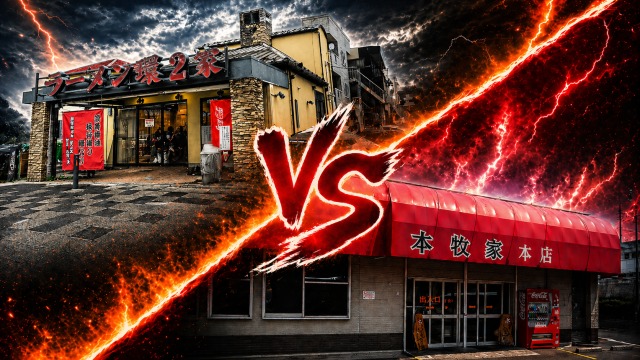
If you drive on Kanagawa Loop 2, you’ll always see a ramen shop — we investigated the secret of this mysterious road in Yokohama.
While driving through Yokohama, there is a road that catches your attention.
It is the Kanjo 2-go line, commonly known as Kan-2. This 24.5 km arterial road loops around Yokohama from Isogo Ward to Tsurumi Ward.
As you drive along this road, you notice something.
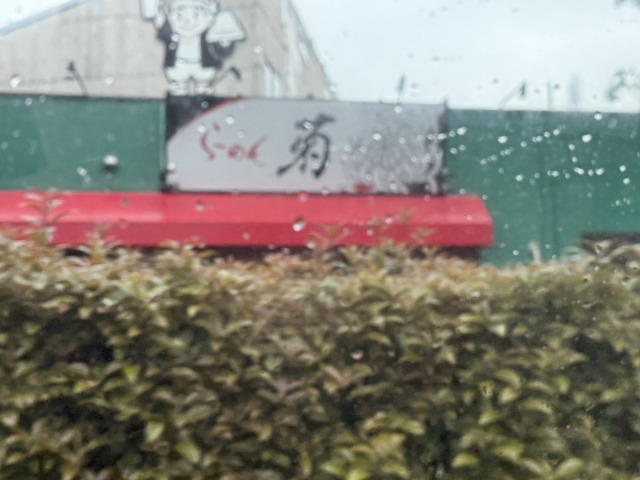
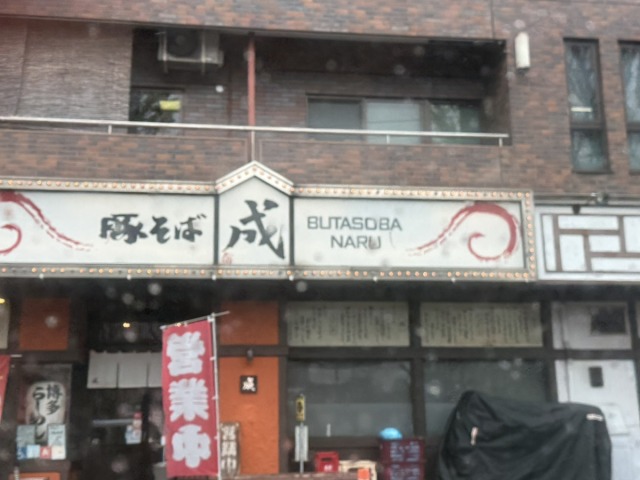
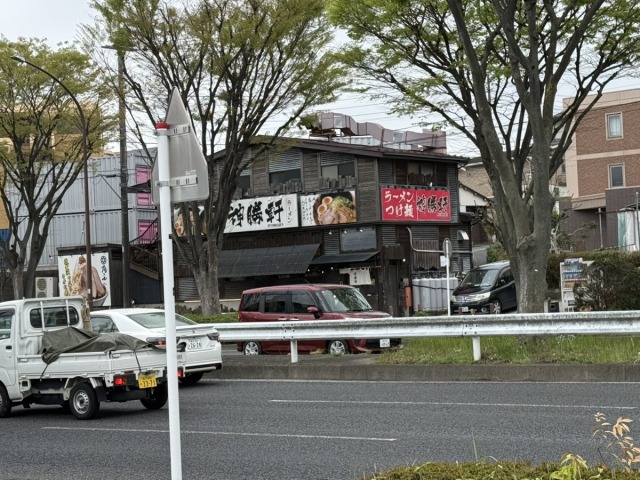
Photo taken from inside a car on a rainy day
Hmm… are not there a lot of ramen shops?
The area from Shimonagaya to Kaminagaya in Konan Ward is especially striking. Every time you drive a little, ramen shop signs jump into view. There are iekei, tsukemen, and 二郎-inspired shops… the genres are all over the place.
Locals have come to call this area Ramen Highway.
But why?
Why have so many ramen shops gathered in this place, far from train stations? A reader who was curious sent in a question.
Around Shimonagaya on Kanjo 2-go line, it is called Ramen Highway and is a fierce ramen battleground in Yokohama. You can enjoy not just iekei but a variety of ramen. But how did so many ramen shops end up clustered here? I would love to know the background!
So we decided to investigate.
It all started with the road opening
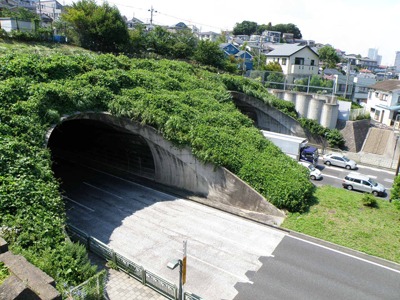
East side of the Himawari Tunnel
First, let us look at the history of Kan-2.
The urban planning decision for Kanjo 2-go line was made in 1950. But actual construction progressed slowly over many years, and the entire line only opened in March 1998—a full 48 years after the plan was made.
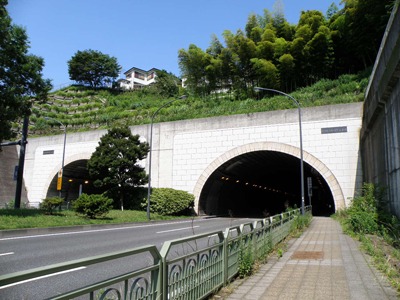
Furthermore, the section including the Konan Himawari Tunnel that passes through Shimonagaya was completed in March 1999. Access to Kamakura Kaido and Sasashige Kamariya Road became much smoother.
West side of the Himawari Tunnel
This opening set the stage for the birth of Ramen Highway.
Kan-2 is a major arterial road in Yokohama, but much of its surroundings are residential areas and farmland, with few large commercial facilities. However, that made it easy to secure large plots of land and set up big stores with parking lots.
This road was perfect for the suburban style of drive in, park, and eat ramen.
What is iekei ramen? Its roots lead back to Yokohama
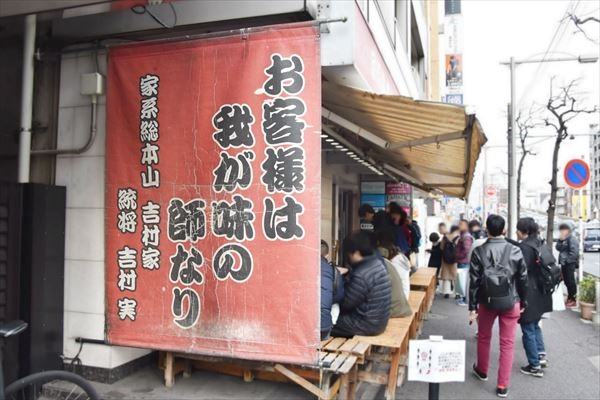
The headquarters of iekei: Yoshimura-ya
Another key is iekei ramen, a style Yokohama is proud of.
In 1974, in Shinsugita, Isogo Ward, Yokohama, a former long-haul truck driver named Minoru Yoshimura opened a small shop of about 10 tsubo. Combining Kyushu tonkotsu and Kanto soy sauce from his travels across Japan, he created a rich tonkotsu soy sauce soup ramen.
This was Yoshimura-ya.
Kanjo 2-go line
The Kanjo 2-go line, also known as the Yamanote Line’s circular route in Tokyo, is a major railway loop that connects key urban districts. Its history dates back to the late 19th century, with sections opening in 1885 and full circular operation achieved by 1925. Today, it remains a vital transportation artery for millions of commuters and tourists.
Kan-2
Kan-2 is an archaeological site in Thailand that contains prehistoric rock paintings, dating back over 3,000 years. Discovered in the 1980s, it features vivid depictions of human figures, animals, and geometric patterns, offering insight into the spiritual and daily lives of ancient communities in the region. The site remains an important cultural landmark for understanding early human settlement in Southeast Asia.
Ramen Highway
Ramen Highway is a stretch of road in Japan’s Shin-Yokohama district, renowned for its concentration of famous ramen shops from across the country. It was established in 1994 as part of the Shin-Yokohama Ramen Museum, which recreates a nostalgic 1958 Tokyo streetscape. This unique food destination allows visitors to sample diverse regional ramen styles without leaving the city.
Himawari Tunnel
The Himawari Tunnel is a picturesque sunflower path located in Nakagawa, Fukuoka Prefecture, Japan, created by a local farmer to attract visitors and revitalize the rural area. Established in the early 2000s, it features a winding road lined with towering sunflowers that form a natural tunnel, typically in full bloom during late summer. The site has become a popular seasonal attraction, symbolizing the region’s agricultural heritage and community effort.
Kamakura Kaido
Kamakura Kaido is a historic road that connected Kamakura, the former capital of Japan during the Kamakura period (1185–1333), with other regions. Originally used by samurai and travelers, it served as a vital route for political and military movements under the shogunate. Today, parts of the road remain as scenic walking paths, offering glimpses into medieval Japan’s history and culture.
Sasashige Kamariya Road
Sasashige Kamariya Road is a historic route in Japan, known for its connection to the Kamariya Festival, a traditional event featuring portable shrines and lively processions. The road has served as a vital pathway for local communities for centuries, linking residential areas to cultural and religious sites. Its preservation reflects the enduring cultural heritage and communal traditions of the region.
Yoshimura-ya
Yoshimura-ya is a historic Japanese confectionery shop established in the early 19th century, renowned for its traditional sweets, particularly the “kuzumochi” (arrowroot mochi). Located in Osaka, it has been operated by the same family for generations, preserving the authentic flavors and techniques of Edo-period wagashi. The shop remains a beloved cultural site, offering visitors a taste of Japan’s culinary heritage.