On May 20, a senior official visited Ezhou to inspect the construction and operation of Huahu International Airport, the development of the airport economy, education on establishing and practicing a correct view of political achievements, and grassroots party building. It was emphasized that Ezhou should thoroughly study and implement the spirit of General Secretary Xi Jinping’s important speech during his inspection of Hubei, closely focus on building a world-class air cargo hub, accelerate the construction of major infrastructure projects, expand and strengthen the airport industry, deepen party-led grassroots governance, and build a high-standard coordinated development zone in the Wuhan metropolitan area, contributing greater efforts to achieve decisive progress in the construction of the strategic support point.
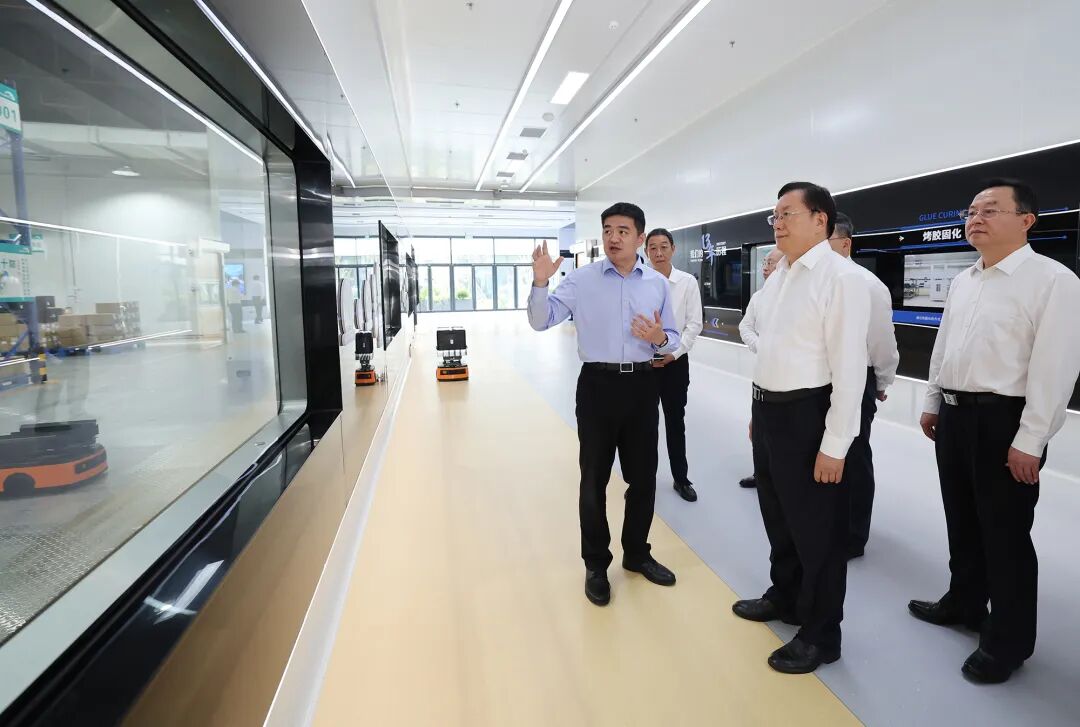
Since the beginning of this year, Huahu International Airport’s cargo routes and cargo throughput have reached new highs, showing a positive development trend with continuously enhanced hub functions, optimized customs clearance services, released openness advantages, and growing industrial clustering effects. The official visited Donghang Cold Chain Central China Fresh Port in the Ezhou Airport Economic Zone, inspecting cold storage facilities, processing rooms, and online live-streaming studios, and learning about cold chain logistics, processing, and sales. Then, they went to Hubei Shunke Aircraft Maintenance Co., Ltd. to inspect the aircraft maintenance site and research the development of the airport’s bonded maintenance industry. Further, they visited Hubei Junheng Technology Co., Ltd. and Siyou Optoelectronics Technology Co., Ltd., touring optical module production lines and product displays, and listening to introductions about the development of the optoelectronic information industry and the linkage between production and trade. The need to accelerate the layout of airport industries that leverage the advantages of the air cargo hub was emphasized, focusing on precise investment in areas such as fresh cold chain, biomedicine, aviation maintenance and manufacturing, and precision manufacturing, strengthening cooperation and linkage with key regions and enterprises, and building a more dynamic airport economic ecosystem.
Transportation infrastructure is key to Huahu International Airport’s core competitiveness. Currently, 7 of the 12 major transportation node projects supporting the airport have been completed, with the remaining projects progressing smoothly. The official inspected the construction progress of the Yanji Yangtze River Bridge and the airport railway connection line, listening to introductions about regional transportation connectivity. It was emphasized that under the premise of ensuring safety and quality, the pace of project construction should be accelerated to ensure early completion, early operation, and early benefits. Focus should be on improving functions, accelerating the construction of a comprehensive transportation system integrating air-rail and air-water transport, smoothing logistics networks, and promoting the integration of rail, water, road, and air multimodal transport.
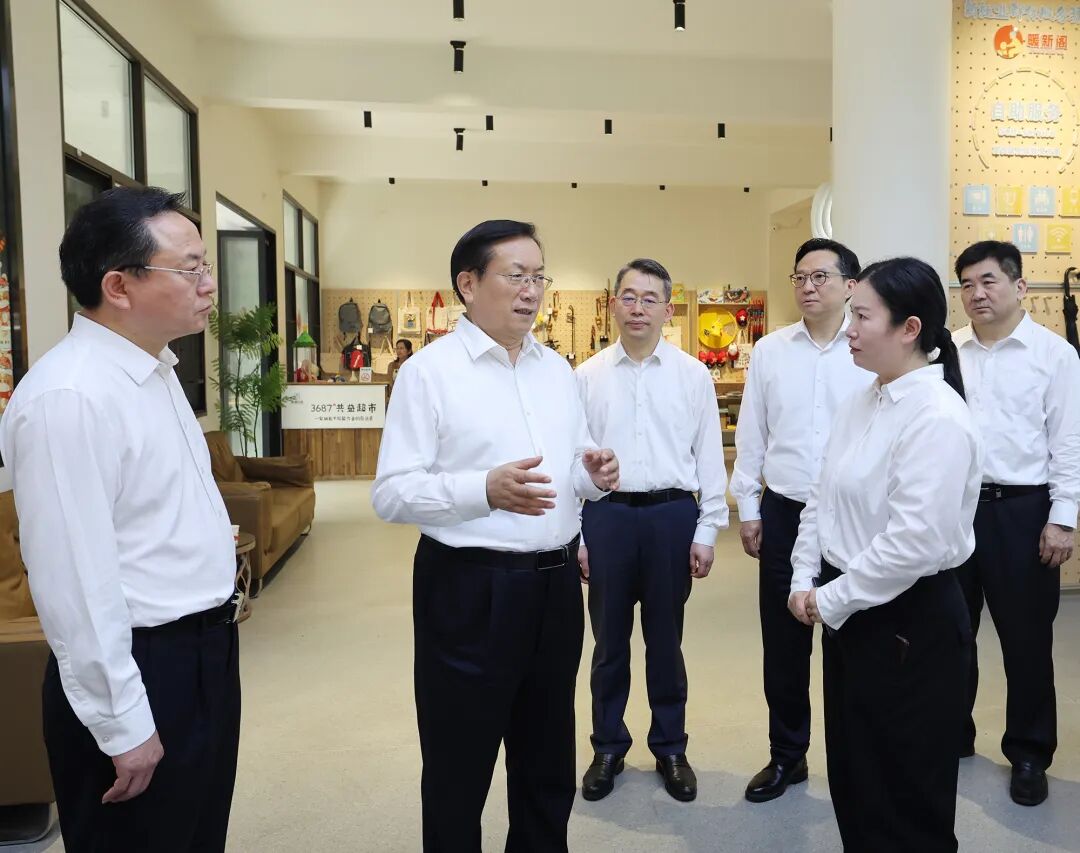
The official also visited Binhu Community on Fenghuang Street in Echeng District to inspect study and education, grassroots party building, and community welfare services. It was pointed out that communities are the basic units of grassroots self-governance and the foundation of the national governance system. It is necessary to actively explore practical paths for party-led grassroots governance, further improve the organizational structure of community party organizations, and better organize and mobilize the masses for co-construction, co-governance, and shared benefits. It was stressed that benefiting the people is the greatest political achievement, and efforts should be made to sincerely solve the urgent and difficult problems of the masses, effectively transforming the results of study and education into tangible benefits for the people.
During the inspection, the official affirmed Ezhou’s achievements in economic and social development. It was emphasized that this year marks the start of the 15th Five-Year Plan and a year of intensified efforts for the construction of the strategic support point. Ezhou should anchor its<div class="my-4 p-4 rounded-lg shadow-md