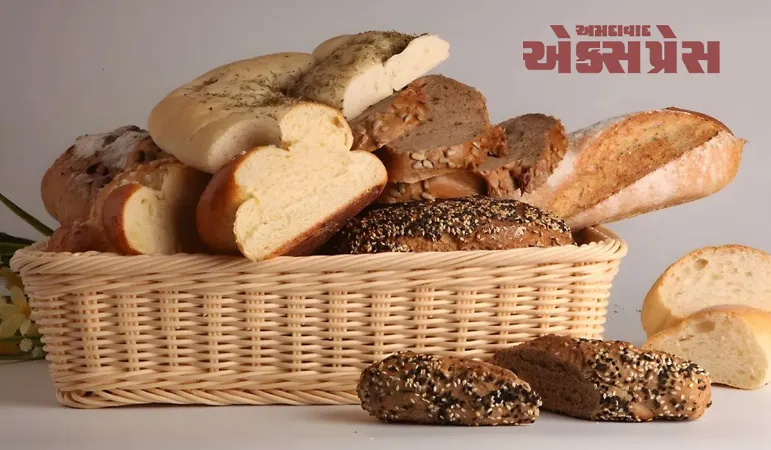
Germany is known as the world’s bread capital. Over 3,200 official varieties are made here.
Over 3,000 Bread Varieties in Germany — the Reason Will Surprise You!
A unique report on global food culture has emerged. According to findings, a wealthy European country holds a unique record in the world. This country has become famous worldwide for its amazing baking tradition. Thousands of varieties of a food item that people regularly eat for breakfast are available here.
Germany Becomes the World’s Official ‘Bread Capital’
According to reports, the European country of Germany has been granted the status of the world’s official bread capital. In this country, this food item is not just nourishment but an important part of people’s lifestyle.
This item holds a very essential place in the daily meals of its citizens. So far, no other country in the world has been able to match it in this regard.
According to official sources, over 3,200 types of varieties are officially registered in Germany. Baking here uses white flour, rye, whole grains, and various seeds.
A product called ‘Vollkornbrot’ is considered the most popular among people. This special item is prepared from whole grain rye.
In addition, another famous bread called ‘Pumpernickel’ is also made there. It is slightly sweet in taste and dark black in color.
Craftsmen bake this sweet item over very low heat for a long time. For breakfast, there is a huge craze for eating special rolls called ‘Brötchen’.
Due to its various flavors and distinctive sizes, this product has become a center of attraction globally. Tourists also visit bakeries to enjoy the taste of these unique dishes.
Interesting History of Bread Culture in Portugal and India
This event comes at a time when research on traditional food history is increasing worldwide. New revelations are being made about the ancient food habits of various countries.
This global history will prove very interesting and informative. The art of fermenting grains to make this is centuries old.
The oldest evidence of making this item in the world was found in the northeastern desert of Jordan. Evidence was found there from a Natufian site approximately 14,500 years old.
Furthermore, in Egypt, this item was discovered by accident around 4000 BC. A cook left dough aside, and fermentation occurred, leading to this unique discovery.
Introduction by Portuguese Rulers in Goa and Mumbai
According to sources, the credit for bringing this item to India goes to European travelers. In the year 1498, Vasco da Gama arrived on the coast of India.
Twelve years later, Portugal established its rule over Goa on the west coast of India. These foreign rulers had a strong habit of eating bread in their daily meals.
Noticing a local shortage of this item, they thought of starting its production in Goa itself. At that time, the necessary ingredients for preparation were not easily available.
Therefore, Portuguese citizens conducted a new experiment by adding a few drops of toddy instead of yeast to the flour. This successful experiment led to the birth of ‘pao’ in India.
They prepared this local bread using hot ground instead of an oven. Even today, this food item is very popular in Mumbai and Goa.
Even in the modern era, these traditional methods remain alive.
Fermentation Science and the Influence of the Modern Age
According to official sources, years of research are responsible for the scientific process of fermentation. The famous French scientist Louis Pasteur explained this process in 1840.
Only after that did the systematic implementation of the scientific method of leavening begin in bakeries worldwide. This discovery revolutionized the baking industry.
According to representatives, Germany still preserves its ancient art. The government there has given special protection to this industry.
In India, even amidst elections and other political activities, people give great importance to their food lifestyle. There is huge demand for German products in the global food market.
Nevertheless, with changing times, health-conscious people are now more attracted to multigrain and organic options. New innovations are being seen daily in the bakery business.
Germany holds a leading position in the global market with its amazing variety of over 3,000 breads. This