China makes major breakthroughs in multiple fields
Showcasing the hardcore strength and vibrant vitality of technological innovation
“Artificial embryos” enter space for the first time
Multiple Chinese launch missions achieve complete success
This week, China’s aerospace sector has seen frequent good news. Tianzhou-10 successfully docked with the space station carrying “artificial embryo” experimental samples, and multiple launch missions were also fully successful.
On May 11, the Long March 7 Y11 carrier rocket carrying the Tianzhou-10 cargo spacecraft lifted off from the Wenchang Spacecraft Launch Site in China, with the launch mission achieving complete success. A total of 41 space science experiment projects, including the “artificial embryo,” arrived at the space station aboard the Tianzhou-10 cargo spacecraft.
This is the world’s first experiment with human “artificial embryos” conducted in space. On the 13th, sources from the Technology and Engineering Center for Space Utilization under the Chinese Academy of Sciences stated that the human “artificial embryo” experimental samples sent into space aboard Tianzhou-10 have been installed in the experimental module of the China Space Station, and the experiment is progressing smoothly.
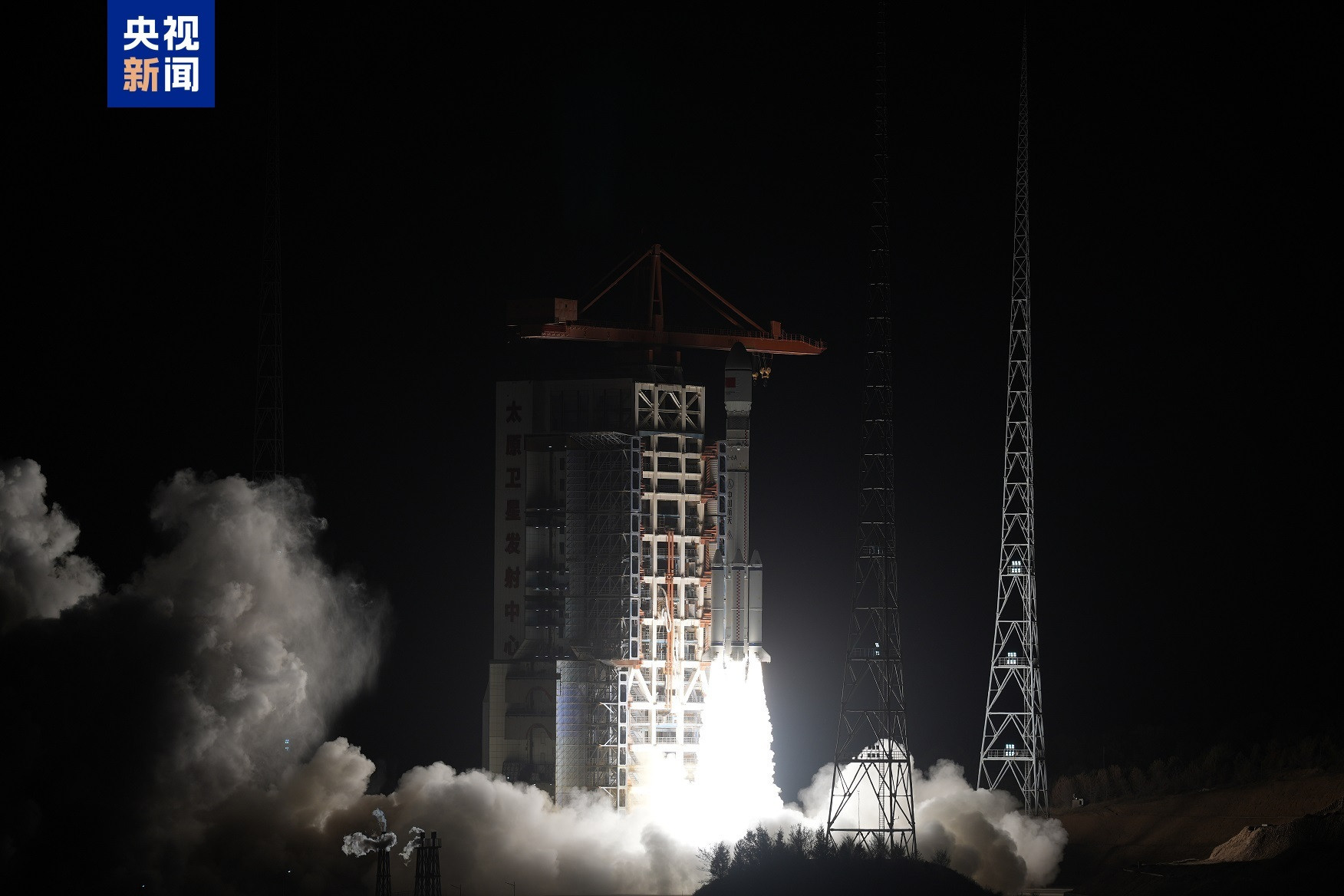
Launch of Qianfan Polar Orbit 09 Group Satellites
On May 12, China successfully launched the Qianfan Polar Orbit 09 group satellites using a Long March 6 modified carrier rocket from the Taiyuan Satellite Launch Center. The satellites entered their predetermined orbit smoothly, and the launch mission was a complete success.
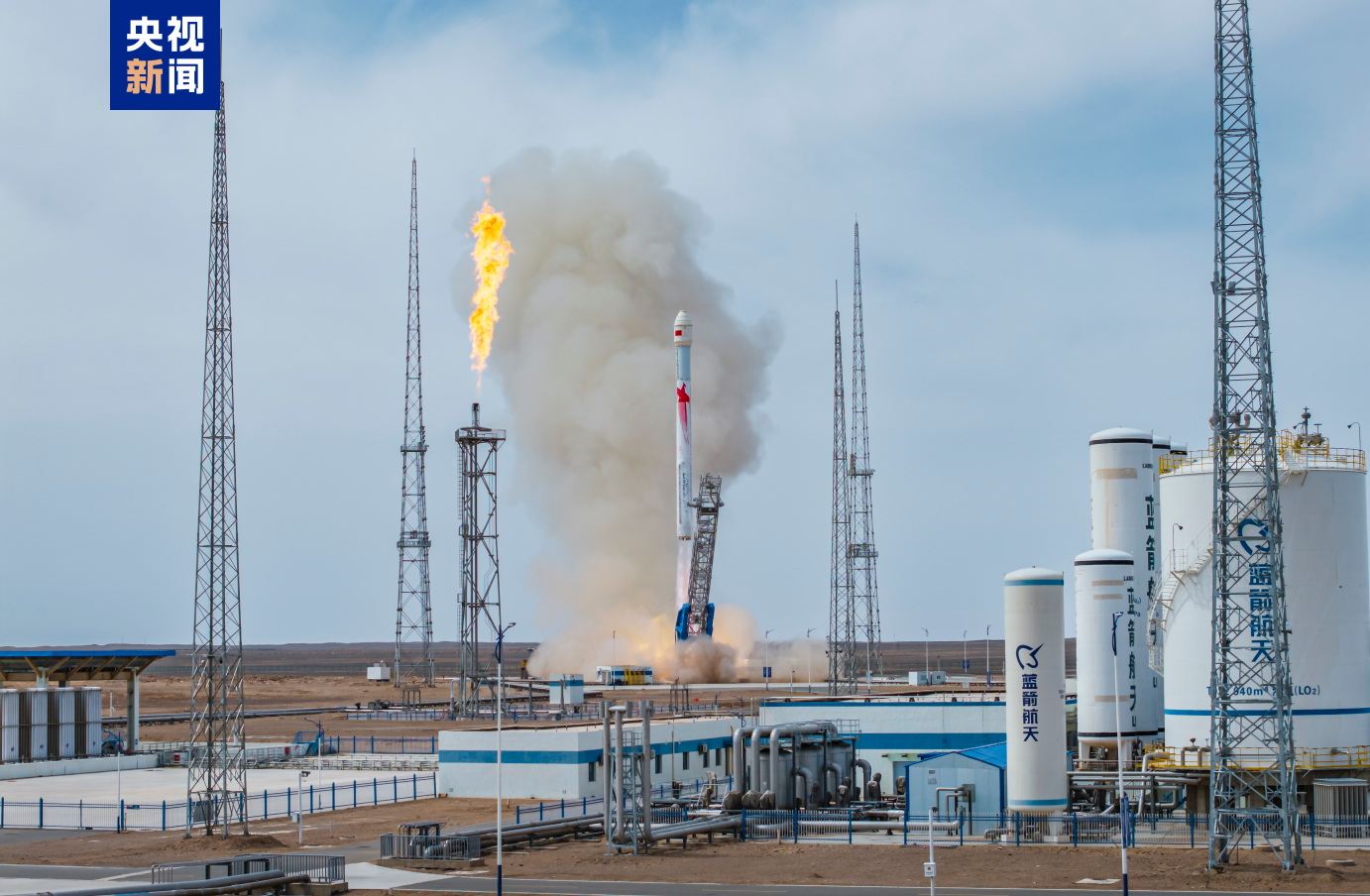
Launch of Zhuque-2 Improved Y5 Carrier Rocket
On May 14, the Zhuque-2 improved Y5 carrier rocket lifted off from the Dongfeng Commercial Aerospace Innovation Experimental Zone. The rocket performed normally throughout its flight, the second stage entered the predetermined orbit, and the flight test mission was a complete success.
Launch of the First Dedicated Satellite for Energy Engineering
Enables all-weather observation through clouds and rain
On May 15, China used a Lijian-1 Y13 carrier rocket from the Dongfeng Commercial Aerospace Innovation Experimental Zone to successfully launch five satellites: Taisan-3 05A/05B, Tianyi-50, Tianyan-27, and Jilin-1 Gaofen-03D55.
Among them, Tianyi-50 is China’s first dedicated satellite for energy engineering, also called “Dianjian-1.” It is the first remote sensing satellite for China’s energy infrastructure industry, capable of all-weather, all-day observation through clouds and rain. It can be widely used for monitoring major engineering construction and is China’s first radar remote sensing satellite specifically serving energy engineering.
<div class="my
Tianzhou-10
Tianzhou-10 is a Chinese cargo spacecraft developed as part of the country’s space station program. Launched in 2027, it delivered supplies, fuel, and equipment to the Tiangong space station, supporting crewed missions and scientific experiments. This mission continued China’s efforts to maintain a permanent human presence in orbit, building on the legacy of earlier Tianzhou cargo flights.
Wenchang Spacecraft Launch Site
The Wenchang Spacecraft Launch Site, located on Hainan Island, China, is the country’s newest and most advanced spaceport, built to support large-scale space missions. Its construction began in 2009 and it became operational in 2016, notably hosting the launch of China’s Long March 5 rocket and the Tianwen-1 Mars mission. Unlike other Chinese launch sites, Wenchang’s coastal location allows for easier transport of heavy rockets by sea and provides a safety advantage for launches over the ocean.
China Space Station
The China Space Station (CSS), also known as Tiangong, is a modular space station developed by China, with its core module, Tianhe, launched in April 2021. It represents a major milestone in China’s human spaceflight program, following earlier Tiangong space labs, and is designed for long-term crewed missions and scientific research. The station is expected to operate for at least 10 years, serving as a national space laboratory and a platform for international cooperation.
Taiyuan Satellite Launch Center
The Taiyuan Satellite Launch Center, located in Kelan County, Shanxi Province, China, is one of the country’s key space launch facilities. Established in 1967 and becoming operational in 1988, it primarily serves for launching polar-orbiting satellites, including meteorological and Earth resource satellites. The site has played a crucial role in China’s space program, supporting both civilian and military missions.
Dongfeng Commercial Aerospace Innovation Experimental Zone
The Dongfeng Commercial Aerospace Innovation Experimental Zone is a pioneering industrial park in China focused on developing private-sector space technologies, including satellite manufacturing and commercial rocket launches. Established in the early 2020s, it aims to accelerate China’s commercial aerospace industry by integrating research, testing, and production within a dedicated hub. The zone represents a strategic effort to foster innovation and competition in the rapidly expanding global space economy.
Zhuque-2 Improved Y5 Carrier Rocket
The Zhuque-2 Improved Y5 carrier rocket is a Chinese commercial launch vehicle developed by LandSpace, designed to deliver payloads into low Earth orbit. It is an upgraded version of the Zhuque-2, which made history in 2023 as the world’s first methane-fueled rocket to reach orbit. The Y5 variant features enhanced performance and reliability, supporting China’s growing commercial space industry.
Lijian-1 Y13 carrier rocket
The Lijian-1 Y13 carrier rocket is a Chinese commercial launch vehicle developed by the Zhongke Aerospace company, based on the Lijian-1 (also known as Kinetica-1) solid-fuel rocket series. It is designed to deploy small satellites into low Earth orbit, and the Y13 designation indicates it is the 13th flight model of this series. The rocket represents China’s growing capabilities in the commercial space sector, with its first successful launch taking place in July 2022.
Jilin-1 Gaofen-03D55
The “Jilin-1 Gaofen-03D55” is a Chinese commercial remote sensing satellite, part of the Jilin-1 satellite constellation developed by Chang Guang Satellite Technology Co., Ltd. Launched in 2022, it provides high-resolution Earth observation imagery for applications in agriculture, forestry, urban planning, and disaster monitoring. This satellite reflects China’s growing capabilities in space-based remote sensing technology.