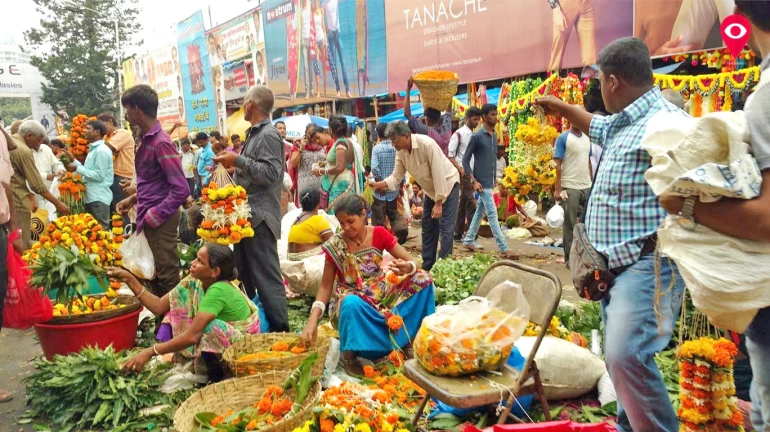
The Brihanmumbai Municipal Corporation (BMC) has started issuing QR code-enabled licenses to authorized hawkers across Mumbai, marking a major step toward digitizing the city’s street vending system. This initiative comes amid growing pressure from the Bombay High Court over the rising number of illegal hawkers operating in the city.
The newly introduced licenses feature a QR code that can be scanned to instantly verify details such as the hawker’s name, designated vending location, and the type of goods permitted for sale. Civic officials believe the system will help authorities and citizens easily identify authorized vendors and curb unauthorized street vending.
This move follows recent observations by the high court, which criticized the BMC for failing to effectively control illegal hawking despite repeated directives over the years. During a hearing held on May 5, the court recommended the introduction of a QR code-based identification system to clearly distinguish licensed hawkers from illegal vendors.
In response, the BMC has started distributing QR-enabled licenses to existing authorized stall owners and is now preparing to extend the system to all hawkers identified in the 2014 hawker survey.
However, implementing the project within the five-week deadline set by the high court is expected to be a significant administrative challenge. According to civic officials, while the 2014 survey recorded nearly 99,435 hawkers, the corporation currently has verified records for only around 32,000 licensed or eligible vendors. This means a large-scale verification exercise will be required before new identity cards can be issued.
Officials involved in the process said the first step will be to verify old records to determine which hawkers remain eligible, whether those surveyed in 2014 are still active, and whether any records need updating. Once the verification process is completed, the civic body plans to issue QR-based identity cards in phases.
The BMC had initially requested two months to complete the exercise, but the timeline was later reduced to five weeks following discussions in court. Civic authorities are now working to speed up verification and registration procedures to meet the deadline while ensuring only eligible hawkers receive the new digital licenses.
Mumbai
Mumbai, formerly known as Bombay, is a major port city on India’s west coast and the capital of Maharashtra. Originally a group of seven islands inhabited by fishing communities, it was ceded to the British in 1661 and rapidly developed into a key trading hub under the East India Company. Today, Mumbai is India’s financial, commercial, and entertainment capital, famous for its iconic landmarks like the Gateway of India and the Bollywood film industry.
Brihanmumbai Municipal Corporation (BMC)
The Brihanmumbai Municipal Corporation (BMC) is the civic body responsible for governing and administering the city of Mumbai, India. Established in 1888 under the Bombay Municipal Corporation Act, it is one of the oldest and wealthiest municipal corporations in Asia, overseeing infrastructure, public health, and education. Its iconic Gothic-style headquarters, located opposite the Chhatrapati Shivaji Maharaj Terminus, symbolizes Mumbai’s colonial history and modern urban governance.
Bombay High Court
The Bombay High Court, located in Mumbai, India, is one of the oldest high courts in the country, established in 1862. Its iconic Gothic Revival building, designed by British architect John Augustus Fuller, was completed in 1878 and stands as a landmark of colonial-era architecture. The court has played a significant role in Indian legal history, hearing numerous landmark cases, including those related to the freedom movement.
Mumbai
Mumbai, formerly known as Bombay, is a bustling port city on India’s west coast and the capital of Maharashtra. Originally a collection of seven islands, it was ceded to the British East India Company in 1661 and grew into a major trading hub under colonial rule. Today, it is India’s financial and entertainment capital, famous for Bollywood and landmarks like the Gateway of India.
Brihanmumbai Municipal Corporation (BMC)
The Brihanmumbai Municipal Corporation (BMC) is the governing civic body of Mumbai, India, and is one of the oldest municipal corporations in the country, established in 1888. It was formed under the City of Bombay Municipal Act, succeeding the earlier Board of Conservancy, to manage the city’s rapid urbanization and infrastructure needs. Today, the BMC is responsible for the administration, public health, and development of India’s financial capital, operating from its iconic Gothic-style headquarters.
Bombay High Court
The Bombay High Court, located in Mumbai, India, is one of the oldest high courts in the country, established in 1862. Its iconic neo-Gothic building, completed in 1878, was designed by British architect John Augustus Fuller and stands as a landmark of colonial-era architecture. The court has historically presided over many significant legal cases and continues to serve as a key judicial institution for the states of Maharashtra and Goa.
Gateway of India
The Gateway of India is a historic arch monument built in Mumbai (formerly Bombay) during the 20th century. Constructed to commemorate the 1911 royal visit of King George V and Queen Mary, it was completed in 1924 and later became a symbolic landmark of British colonial rule. Today, it stands as one of Mumbai’s most iconic tourist attractions, overlooking the Arabian Sea.
Bollywood
Bollywood is the informal name for the Hindi-language film industry based in Mumbai, India, and is one of the largest centers of film production in the world. Its history began in the early 20th century with silent films, and it gained its iconic song-and-dance style with the release of India’s first sound film, *Alam Ara*, in 1931. Today, Bollywood is a global cultural phenomenon, known for its vibrant storytelling, elaborate musical numbers, and significant influence on Indian culture and diaspora communities.
Chhatrapati Shivaji Maharaj Terminus
Chhatrapati Shivaji Maharaj Terminus (CSMT) in Mumbai, India, is a historic railway station and a UNESCO World Heritage Site. Originally named Victoria Terminus, it was built in 1887 to commemorate Queen Victoria’s Golden Jubilee, blending Victorian Gothic Revival and traditional Indian architectural styles. The station remains a major hub for local and long-distance trains, symbolizing Mumbai’s colonial past and its enduring role as a vital transportation center.