A police car driving urgently collided with a passenger car in Nakamura Ward, Nagoya, resulting in three people sustaining minor injuries.
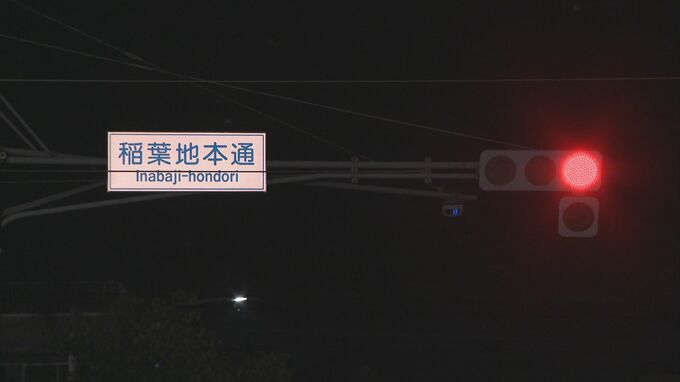
Around 8:40 p.m. on the 16th, at an intersection in Inabaji Hongori, Nakamura Ward, a police car with its siren on and driving urgently entered a red light and collided head-on with a passenger car.
In this accident, a male police sergeant (42), a male police officer (24), and a male company employee (20) in the passenger car suffered minor injuries such as bruises to their elbows and knees.
Regarding the accident, the deputy chief of Nakamura Police Station commented, “The facts are currently under investigation.”
Nakamura Ward
Nakamura Ward is a district in Nagoya, Japan, known for its historical significance as the birthplace of the legendary samurai and shogun Tokugawa Ieyasu. The area features cultural landmarks such as the Nagoya Castle and the Tokugawa Art Museum, which showcase artifacts from the Edo period. Today, Nakamura Ward blends this rich history with modern urban life, including the bustling Nagoya Station area.
Nagoya
Nagoya is a major city in central Japan, historically significant as the seat of the powerful Owari branch of the Tokugawa clan during the Edo period. Its most famous landmark, Nagoya Castle, was built in 1612 and served as a symbol of the clan’s authority, though much of the original structure was destroyed in World War II and later reconstructed. Today, Nagoya is a thriving industrial and cultural hub, known for its automotive industry (home to Toyota) and for blending modern innovation with traditional heritage.
Inabaji Hongori
Inabaji Hongori is a historic Japanese residence and cultural site located in the Kaga region of Ishikawa Prefecture, known for its well-preserved Edo-period architecture. Originally built as a samurai residence, it later served as a lodging for the local feudal lord during travels and now functions as a museum showcasing traditional crafts and tea ceremonies. The site offers visitors a glimpse into the daily life and aesthetic sensibilities of the samurai class in feudal Japan.
Nakamura Police Station
The Nakamura Police Station, located in Kōchi Prefecture, Japan, is a historic building originally constructed in 1907. It served as a police station and community landmark for over a century, reflecting early 20th-century Western-influenced architecture in Japan. Today, it is preserved as a cultural property, offering insight into the region’s modern history and law enforcement heritage.
Nagoya Castle
Nagoya Castle, originally built in 1612 by the Tokugawa shogunate, served as a key stronghold in central Japan. It was famously known for its golden shachihoko (mythical dolphin-like creatures) adorning the roof. Although heavily damaged in World War II, the main keep was reconstructed in 1959 and remains a popular symbol of the city.
Tokugawa Art Museum
The Tokugawa Art Museum in Nagoya, Japan, houses a vast collection of artifacts and treasures from the Tokugawa clan, who ruled Japan during the Edo period (1603–1868). Established in 1935, the museum’s holdings include samurai armor, swords, Noh theater masks, and the famous illustrated “Tale of Genji” scrolls. It offers a unique glimpse into the life and culture of the shogunate that shaped Japan’s early modern history.
Inabaji Hongori
Inabaji Hongori is a significant historical site in Japan, known as the former residence of the famed samurai and political figure Oda Nobunaga. Located in Gifu Prefecture, the site features remnants of a castle and traditional architecture that offer insights into the Sengoku period. Today, it serves as a cultural heritage site, attracting visitors interested in Japan’s feudal history and Nobunaga’s legacy.
Nakamura Police Station
The Nakamura Police Station, located in the Nakamura area of Nagoya, Japan, serves as a local law enforcement facility within the city’s police network. While specific historical details about the station itself are limited, the area of Nakamura is historically significant as the birthplace of the samurai warlord Toyotomi Hideyoshi. The station likely plays a role in maintaining public safety in this culturally rich district.