Bhubaneswar (Odisha), May 9: The Kodingamali mine has been operated by Odisha Mining Corporation Limited in the Koraput and Rayagada districts of Odisha for the past eight years.
The bauxite produced here is used in various industries located within the state, forming an important foundation for Odisha’s industrial development and economic structure.
Currently, the mine is operating with a capacity of 3.6 million tons per annum (MTPA). Due to increasing industrial demand and the aim to further strengthen Odisha’s resource-based economy, the process of expanding the mine’s capacity to 6.0 MTPA is underway.
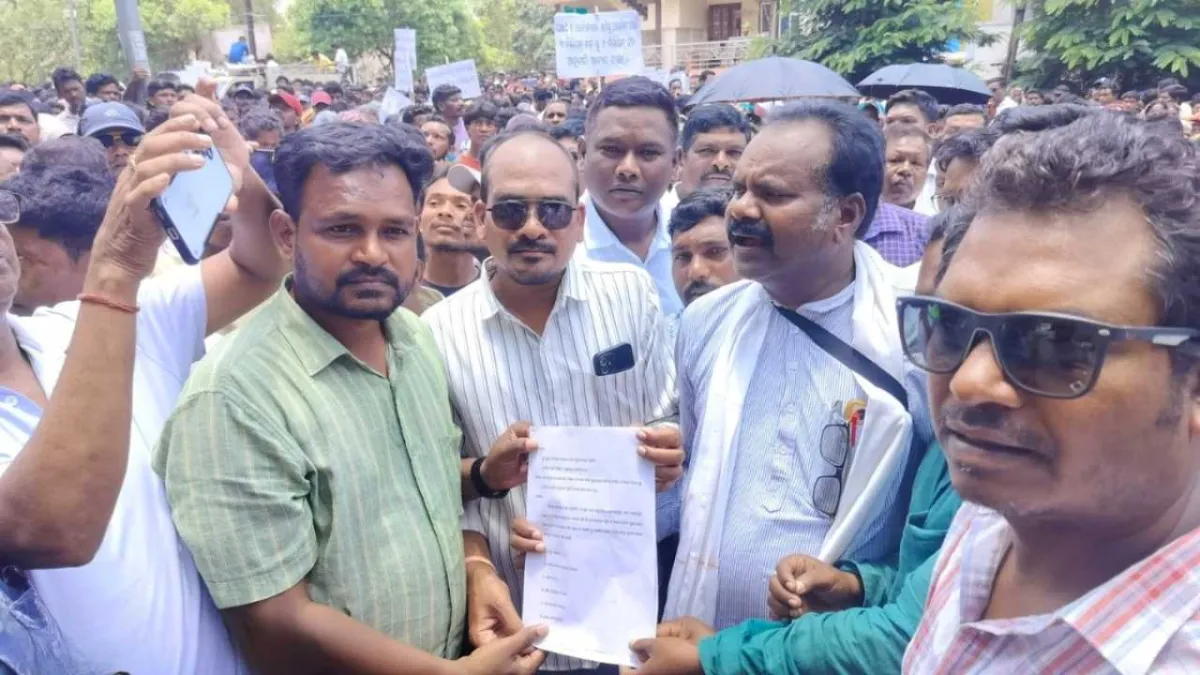
Although some individuals and groups have expressed opposition to this expansion project, causing some disruption to developmental activities, widespread support from the local community has clearly emerged in favor of the project.
More than 10,000 residents of villages located around the mine have formally submitted memoranda supporting the expansion. This support reflects the direct and indirect benefits from the project, including development of basic facilities such as education, health services, livelihood opportunities, water availability, and road connectivity.
In this regard, Odisha Mining Corporation Limited has reiterated its commitment to sustainable and eco-friendly mining practices, community welfare, and inclusive development.
The proposed expansion is expected to give significant momentum to the social and economic development of the region, while ensuring full compliance with all environmental protection standards and prescribed government regulations.
Kodingamali mine
Kodingamali mine is an ancient gold mining site located in the Nilgiris district of Tamil Nadu, India, with a history dating back to the 2nd century BCE. It was extensively worked by early Dravidian miners and later by the British in the 19th century, using both open-cast and underground techniques. Today, the abandoned mine is recognized for its archaeological significance, offering insights into early mining technology and trade in South India.
Koraput district
Koraput district, located in the southern part of Odisha, India, is known for its rich tribal heritage and scenic landscapes. Historically, it was part of the ancient Kalinga region and later came under the rule of various dynasties, including the Eastern Ganga and the British Empire. Today, it is celebrated for its vibrant indigenous cultures, such as the Bonda and Dongria Kondh tribes, and attractions like the Duduma Waterfall and the Gupteswar Cave.
Rayagada district
Rayagada district, located in the Indian state of Odisha, is known for its rich tribal culture and scenic landscapes, including the Nyamgiri and Mahendragiri hills. Historically, the area was part of the ancient Kalinga region and later came under British administration, with the district officially formed in 1992. It is also recognized for the sacred Hindu shrine of Maa Majhighariani Temple and the vibrant festivals of its indigenous communities.
Odisha
Odisha, a state on India’s eastern coast, is renowned for its rich cultural heritage, particularly the ancient temple architecture of Bhubaneswar, Puri, and Konark. Historically known as Kalinga, it was the site of the bloody Kalinga War (c. 261 BCE) that led Emperor Ashoka to embrace Buddhism. Today, it is celebrated for its classical dance form Odissi, vibrant festivals like Rath Yatra, and exquisite silver filigree craftsmanship.