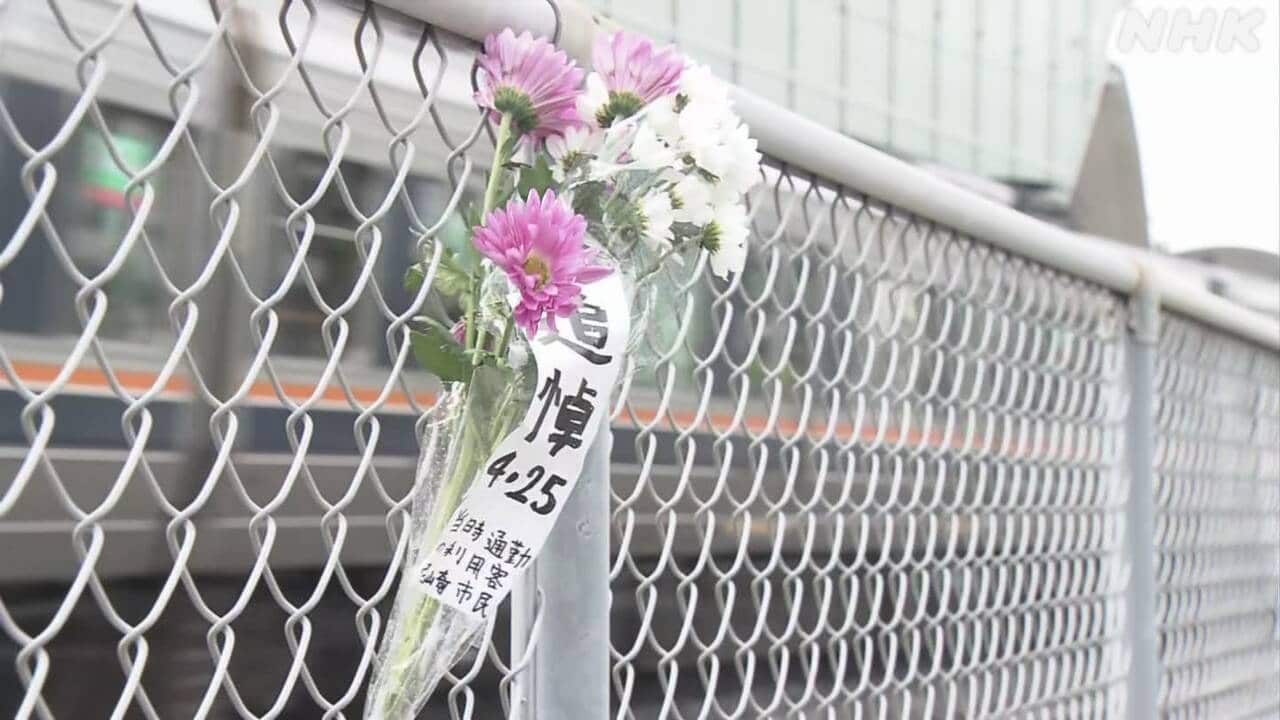
It has been 21 years since the JR Fukuchiyama Line derailment that killed 107 people. A memorial service was held at the accident site, where bereaved families and JR West executives offered prayers for the victims.
Railway driver errors and violations exceed 300 cases in five years…
Read more
JR Fukuchiyama Line
The JR Fukuchiyama Line is a railway line in Japan operated by West Japan Railway Company (JR West), connecting Osaka and Fukuchiyama in Kyoto Prefecture. Originally opened in stages between 1876 and 1899, it played a key role in the industrial and economic development of the region, facilitating transport of goods and passengers. The line is also historically notable for the 2005 Amagasaki derailment, a major accident that led to significant safety reforms in Japanese rail operations.
JR Fukuchiyama Line
The JR Fukuchiyama Line is a railway line in Japan connecting Osaka and Fukuchiyama, passing through Kyoto and Hyogo Prefectures. It originally opened in the late 19th century as part of the Hanwa Railway and later became part of the West Japan Railway Company (JR West) network. The line is known for its scenic rural sections and also gained notoriety due to a tragic 2005 derailment accident near Amagasaki.
JR Fukuchiyama Line
The JR Fukuchiyama Line is a railway line in Japan connecting Osaka and Fukuchiyama, operated by West Japan Railway Company (JR West). Opened in stages between 1897 and 1911, it originally served as a key route for transporting goods and passengers through the Kansai region. Today, it remains an important commuter and regional line, known for its scenic views along the Hozugawa River.
Osaka
Osaka is a major city in Japan known for its vibrant food culture, historical landmarks, and economic significance. Once the commercial capital of Japan during the Edo period, it flourished as a hub for trade and rice distribution. Today, attractions like Osaka Castle, dating back to the 16th century, and the lively Dotonbori district reflect its rich history and modern energy.
Fukuchiyama
Fukuchiyama is a city in Kyoto Prefecture, Japan, known for its historic Fukuchiyama Castle, which was originally built in the 16th century by the warlord Akechi Mitsuhide. The castle played a key role during the Sengoku period and was later reconstructed, now serving as a museum and symbol of the city. Today, Fukuchiyama also offers scenic riverside views and is a gateway to exploring the broader Tanba region’s culture and nature.
Kyoto Prefecture
<div
JR Fukuchiyama Line
The JR Fukuchiyama Line is a railway line in Japan operated by West Japan Railway Company (JR West), connecting Aioi Station in Hyōgo Prefecture to Fukuchiyama Station in Kyoto Prefecture. Opened in stages between 1895 and 1911, it originally served as part of the Bantan Line before being redesignated, and it played a key role in regional transport and industrial development. Today, the line is also infamously known for the 2005 Amagasaki derailment, a major accident that led to significant safety reforms.
Osaka
Osaka is a major city in Japan with a rich history as a key commercial and cultural hub, once serving as the nation’s capital during the 7th and 8th centuries. It is famous for landmarks like Osaka Castle, a symbol of the city built in the 16th century by the warlord Toyotomi Hideyoshi, and for its vibrant food culture. Today, Osaka is known for its modern attractions, bustling districts like Dotonbori, and its role as a center of industry and trade.
Fukuchiyama Castle
Fukuchiyama Castle, located in Kyoto Prefecture, Japan, was originally built in the 16th century by the warlord Akechi Mitsuhide. The castle played a significant role during the Sengoku period and was later reconstructed in the 20th century after being destroyed by fire. Today, it stands as a historic landmark and a symbol of the city, offering visitors a glimpse into Japan’s feudal past.
Osaka Castle
Osaka Castle is a historic landmark in Japan, originally built in the 1580s by the powerful samurai Toyotomi Hideyoshi as a symbol of his unification efforts. Destroyed and rebuilt multiple times over the centuries due to wars and fires, the current castle is a 1931 reconstruction made of concrete, now serving as a museum and popular tourist attraction that showcases the region’s feudal history.
Dotonbori
Dotonbori is a famous entertainment and shopping district in Osaka, Japan, known for its vibrant neon lights, lively atmosphere, and iconic landmarks like the Glico Running Man sign. Its history dates back to the early 17th century when it was developed as a theater district by a local merchant, and it later evolved into a bustling hub for food, culture, and nightlife. Today, Dotonbori remains a symbol of Osaka’s dynamic urban culture, offering visitors a mix of traditional street food and modern attractions.
Hozugawa River
The Hozugawa River in Kyoto, Japan, has been a vital waterway for centuries, historically used to transport timber and goods from the mountains to the city. Today, it is famous for its scenic boat rides, particularly the Hozugawa River Boat Ride, which has operated since the 17th century and offers passengers a peaceful journey through lush gorges and past seasonal landscapes. The river’s beauty and cultural significance make it a cherished destination for both history enthusiasts and nature lovers.
Kyoto Prefecture
Kyoto Prefecture, located in the Kansai region of Japan, served as the imperial capital of the country for over a millennium, from 794 until the Meiji Restoration in 1868. This rich history is reflected in its abundance of UNESCO World Heritage sites, including the Golden Pavilion, Kiyomizu-dera Temple, and the Fushimi Inari Shrine, alongside traditional tea houses and bamboo groves. Today, Kyoto is celebrated as a cultural heartland, preserving ancient arts, festivals, and architecture while balancing modern life.
Hyogo Prefecture
Hyogo Prefecture, located in the Kansai region of Japan, is historically significant as the site of the ancient capital of Japan for a brief period and the birthplace of the samurai code. It is home to Himeji Castle, a UNESCO World Heritage site and one of Japan’s most iconic and well-preserved feudal castles, dating back to the 14th century. The prefecture also encompasses the bustling port city of Kobe, which played a key role in Japan’s modernization and international trade.