Tripoli – A workshop on building the capacity of the monitoring, evaluation, and reporting team was held at the headquarters of the Administrative Control Authority in the capital, Tripoli, as part of the National Strategy for Performance Oversight and Anti-Corruption and Prevention (2025-2030).
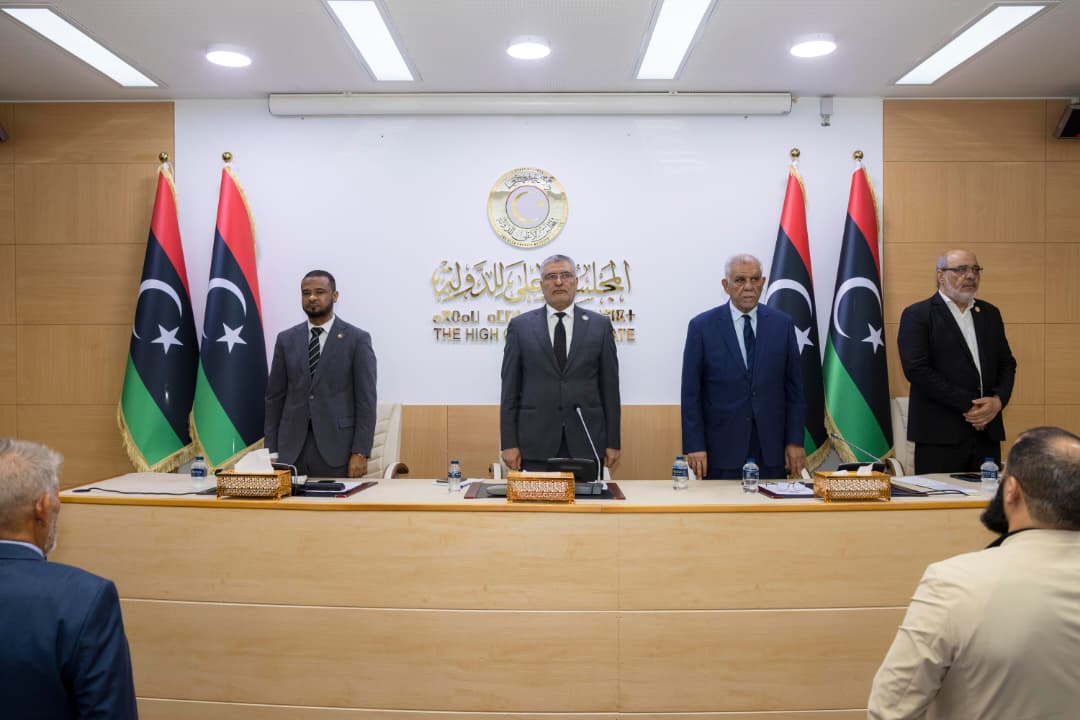
The workshop was opened by the head of the Supreme Committee for Oversight of the Strategy, and the director of the United Nations Office on Drugs and Crime in Libya.
The workshop was also attended by representatives of the Administrative Control Authority, members of the monitoring and evaluation team for the National Strategy for Performance Oversight and Anti-Corruption and Prevention (2025-2030), representatives of the United Nations Office on Drugs and Crime, as well as international experts.
Participants reviewed the main features of the national strategy, which aims to enhance integrity and transparency in public institutions and develop performance oversight tools to reduce manifestations of corruption and consolidate the principles of good governance. They also discussed implementation mechanisms, including defining executive procedures, performance measurement indicators, evaluating the timeline, and adopting a periodic follow-up program to monitor progress and evaluate results. Discussions focused on the effective implementation of national strategies for oversight and anti-corruption, with a special focus on the National Strategy for Performance Oversight and Anti-Corruption and Prevention (2025-2030), highlighting regional and international best practices, including effective coordination between entities and providing guidance for developing, monitoring, evaluating, and reporting on national strategies.
This meeting comes within the second phase of the project funded by the European Union, titled “Building National Capacities in Libya to Prevent and Combat Corruption and Money Laundering,” implemented in cooperation between the United Nations Office on Drugs and Crime Regional Office for the Middle East and North Africa and the Supreme Committee for Oversight of the National Strategy for Performance Oversight and Anti-Corruption and Prevention (2025-2030) at the Administrative Control Authority.
The project aims to strengthen the ability of Libyan institutions to prevent, monitor, investigate, and combat corruption and financial crimes. This meeting is a continuation of the Authority’s efforts to develop the anti-corruption system and establish detailed executive frameworks, adopting a participatory approach that includes government, oversight, and judicial institutions, the private sector, and civil society organizations, in line with the United Nations Convention against Corruption.