From barren slopes to oasis: Grape clusters create a new vision of ecological prosperity along the Yangtze River.
“Before, we used to worry about making a living on the barren slopes along the Yangtze River. Now, we grow grapes at our doorstep and increase our income—life is full of hope!” When talking about the changes, villagers living in Lixiangxi, Linshi Town, Fuling District, expressed their praise repeatedly.
Linshi Street is located at the intersection of the Yangtze River and its tributary, Lixiangxi. This area once faced typical ecological challenges of the Three Gorges Reservoir region. Seasonal water level fluctuations often left the riparian zone bare, not only affecting the shoreline landscape but also posing a risk of soil erosion.
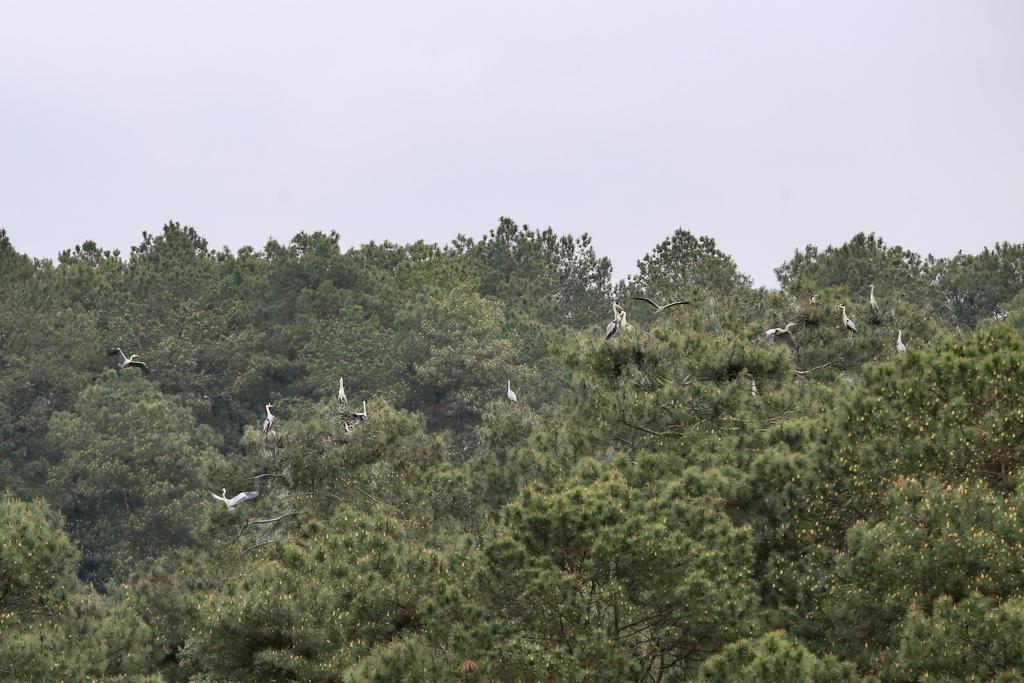
During ecological management, the local authorities abandoned large-scale hard engineering. Instead, they planted water-tolerant plants such as Bermuda grass and reeds, transforming the once mottled riverbank into a lush ecological wetland teeming with waterfowl. White egrets and gray herons now inhabit the area year-round. Native aquatic plants and waterfront woodlands intertwine, creating a composite ecological space that serves functions of water conservation, wildlife habitat, landscape viewing, and recreation.
In addition, the local area has actively improved the living environment, upgraded infrastructure such as roads and greenery, and built riverside ecological trails and rural leisure squares. These efforts preserve the ecological foundation of clear waters and green mountains, contributing to the creation of a beautiful and harmonious countryside in the Bayu region.
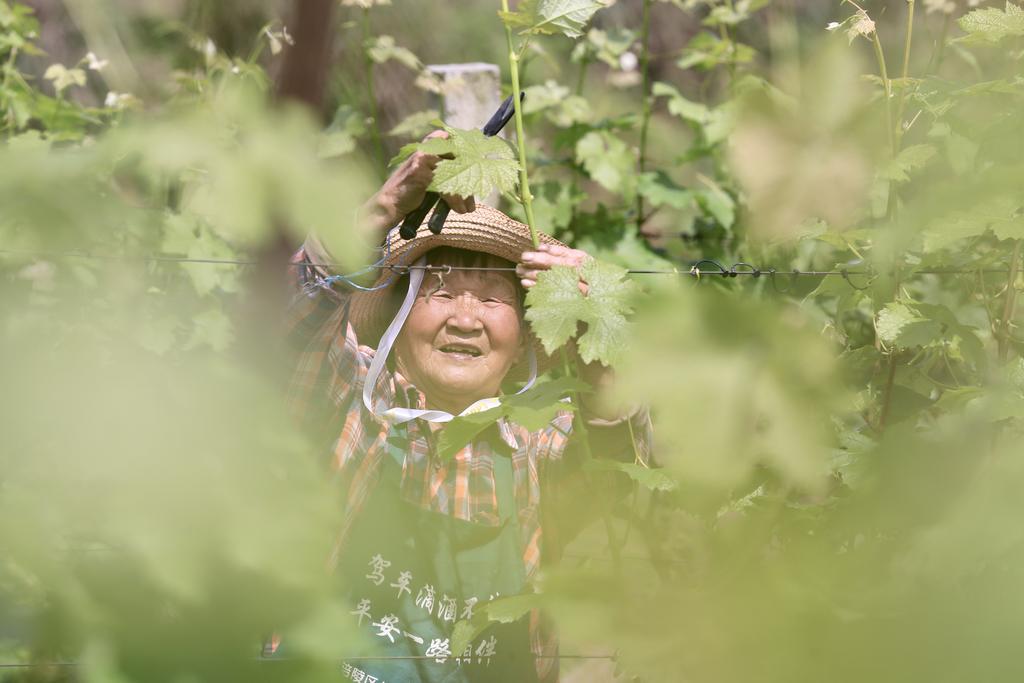
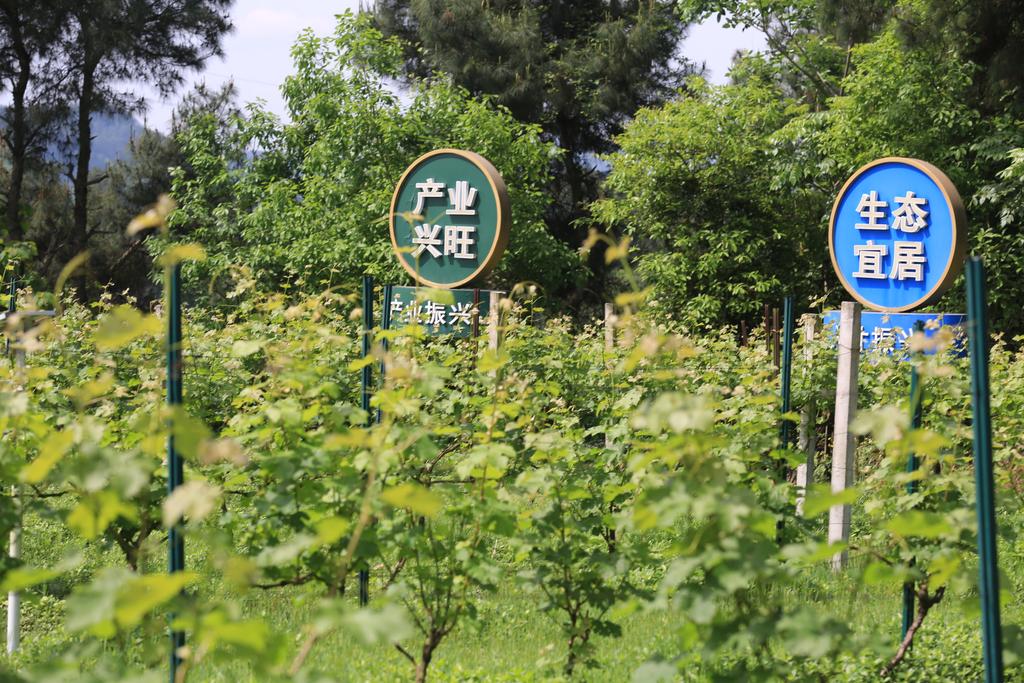
In spring, walking along the banks of Lixiangxi, the thousand-acre ecological vineyard created by the local scenic spot, Meixin Wine Town, stretches out in lush green. The once barren slopes have transformed into an ecological oasis, and villagers have steadily increased their income. A picture of ecological beauty, thriving industries, and prosperous people is gradually unfolding.
The vineyard is lush and verdant.
The scenic spot manager explained that to protect the Yangtze River ecology, the town leverages local resources, centering on the wine industry. It has introduced high-quality wine grape varieties, implemented organic farming and intelligent irrigation, and established an ecological planting base. At the same time, a modern production base has been built, incorporating advanced techniques to create a complete chain from “planting—brewing—processing—sales—experience.” This allows the small grapes to drive the “purple economy,” injecting momentum into industrial prosperity.
<img alt="Tourists visiting the vineyard." data-description="" data-origin="https://asiacity.news/wp-content/uploads/2026/04/d273ef980dc24319925caf53b7c8c551_wh1024x683.jpg" data-target="204755080266
Yangtze River
The Yangtze River is the longest river in Asia and the third-longest in the world, stretching over 6,300 kilometers through China. It has been a cradle of Chinese civilization for thousands of years, supporting agriculture, trade, and cultural development along its basin. Historically, the river served as a crucial transportation route and border between various kingdoms, and today it remains vital for China’s economy, including the Three Gorges Dam, the world’s largest hydroelectric project.
Lixiangxi
Lixiangxi, located in the Lijiang region of Yunnan, China, is a scenic river valley known for its stunning natural beauty, featuring clear streams, lush forests, and dramatic limestone cliffs. Historically, the area was part of the ancient Tea Horse Road trade route, serving as a vital passage for caravans transporting tea and goods between Yunnan and Tibet. Today, it is a popular destination for hiking and rafting, offering visitors a glimpse into both the region’s cultural heritage and its pristine landscapes.
Linshi Town
Linshi Town, located in Shanxi Province, China, is a historic settlement known for its well-preserved traditional architecture and ancient city walls dating back to the Ming and Qing dynasties. It served as a key commercial and military hub along the ancient trade routes, and its cultural significance is reflected in the local temples, residences, and stone-paved streets. Today, it stands as a valuable example of northern Chinese town planning and heritage.
Fuling District
Fuling District, located in Chongqing, China, is historically significant as the site of the ancient Ba Kingdom and later became a key cultural and economic hub along the Yangtze River. It is famous for the White Crane Ridge Underwater Museum, which preserves ancient stone inscriptions dating back over 1,200 years that were submerged after the construction of the Three Gorges Dam. Today, Fuling is known for its rich history, traditional pickle production, and scenic riverside landscapes.
Three Gorges Reservoir
The Three Gorges Reservoir is the massive artificial lake created by the Three Gorges Dam on the Yangtze River in China. Constructed as part of the world’s largest hydroelectric project, which began in 1994 and was fully completed in 2012, the reservoir stretches over 600 kilometers and required the relocation of millions of people and the flooding of numerous ancient towns and archaeological sites. Today, it serves critical roles in flood control, power generation, and navigation, while also significantly altering the region’s landscape and ecosystem.
Meixin Wine Town
Meixin Wine Town, located in the Yantai region of Shandong Province, China, is a historic wine-producing area known for its deep-rooted viticulture traditions dating back to the late 19th century. It was established by early Chinese wine pioneers who introduced European grape varieties and winemaking techniques, blending them with local practices. Today, the town is celebrated for its picturesque vineyards, cultural heritage, and as a center for premium Chinese wine production.
Bayu region
The Bayu region, centered in modern-day Chongqing and surrounding areas of Sichuan, China, derives its name from the ancient Ba and Yu states that flourished there over 2,000 years ago. Known for its rugged mountainous terrain and the confluence of the Yangtze and Jialing rivers, it became a crucial cultural and economic hub, famed for its spicy cuisine, folk songs, and terraced agriculture. Historically, it served as a strategic stronghold during the Warring States period and later as a key wartime capital for China during the Second Sino-Japanese War.
ecological wetland
An ecological wetland is a vital natural habitat where water saturates the soil, supporting a unique ecosystem of aquatic plants and wildlife. These areas act as natural water filters, flood buffers, and carbon sinks, playing a crucial role in environmental health. Historically, many wetlands were drained for agriculture or development, but today they are increasingly recognized as essential for biodiversity conservation and climate resilience.