The dynamics of world geopolitics are beginning to be felt as far as traditional markets in Bandung City. The Mayor of Bandung, Muhammad Farhan, warned that global turmoil, including the Russia-Ukraine War, has the potential to trigger price increases for goods such as cooking oil, sugar, and soybean derivative products.
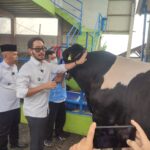
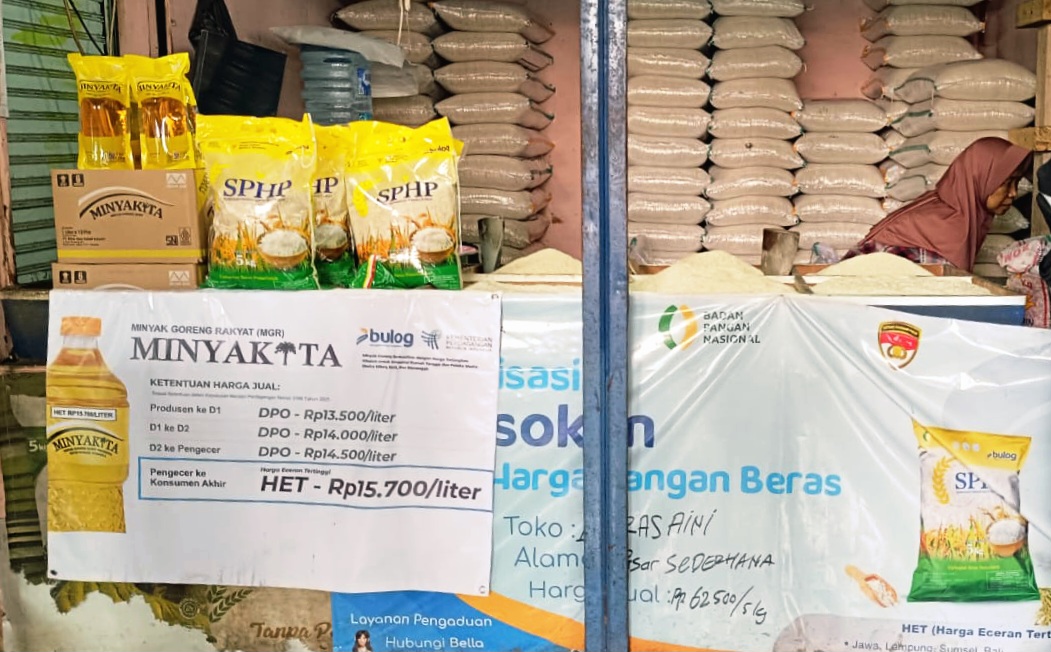
The warning was delivered after a direct monitoring of staple goods prices at Pasar Sederhana, Bandung City. Farhan assessed that local market conditions cannot be separated from ongoing global pressures.
“International conflicts have disrupted the distribution chain of raw materials in various countries. As a result, prices of strategic commodities have also been pushed up due to limited supply,” said Farhan on Monday, April 20, 2026.
Farhan explained that Indonesia still relies on imports for several food items. Commodities such as sugar, soybeans for tofu and tempeh, and certain industrial raw materials are heavily influenced by global distribution stability.
According to him, when international logistics routes are disrupted, distribution costs automatically increase. Cargo ships become limited, delivery times lengthen, and operational costs surge, which are ultimately passed on to consumer selling prices.
Farhan cited the rise in world oil prices as also impacting derivative industries like plastics. This increase then affects traders in the market who have to bear additional costs for packaging.
Farhan said that in such a situation, traders are the most affected at the grassroots level. They have to adjust selling prices to maintain margins, but on the other hand, people’s purchasing power does not always increase.
Additionally, fluctuations in world oil prices also affect the production and distribution costs of cooking oil domestically. This makes the price of Minyak Kita in the market not entirely stable, even though stocks are declared safe.
Farhan emphasized that the current price issue is not solely due to local distribution but also global pressures that cannot be fully controlled by the regional government.
Nevertheless, the Bandung City Government is taking various anticipatory measures. One of them is ensuring the smooth distribution of staple goods and preventing hoarding at the distributor level.
Supervision has been tightened by involving various parties to monitor the movement of goods from producers to traditional markets. These steps are taken so that global turmoil is not further exacerbated by domestic issues.
On the other hand, Farhan invites the public to start adapting to the current conditions. He encourages wiser consumption patterns, including reducing dependence on imported products.
“Strengthening local products can be one long-term solution to face global uncertainty. That way, pressure on food prices can be gradually reduced,” he said.
Farhan also emphasized the importance of shared awareness in maintaining economic stability, from the government side, business actors, to the public as consumers.
“We cannot avoid the global situation, but we can manage its impact together. The important thing is that domestic distribution remains maintained and the public does not panic,” said Farhan.
Farhan assured that the Bandung City Government will continue to monitor price developments and staple goods supplies periodically. This is an important step so that any potential price surge can be anticipated early before burdening the wider community.