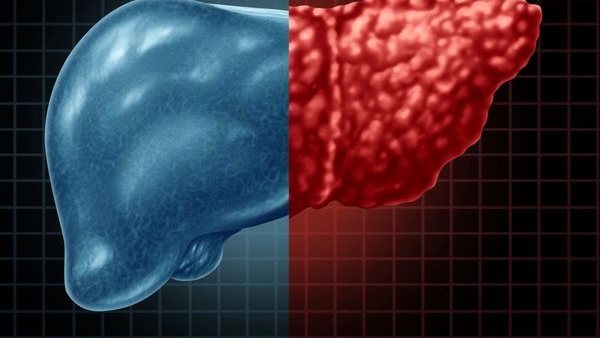
A new study suggests that vitamin B3 may help treat the disease by targeting a molecule called microRNA-93, which is responsible for fat accumulation. Studies have shown that niacin, by restoring the function of the protective SIRT1 gene, reduces liver fat and improves its function. Although these findings are promising, experts emphasize the need for more human research, alongside lifestyle changes, to achieve an effective treatment.
Vitamin B3 Reverses Liver Damage
Fatty liver disease is a serious condition and has become one of the most common health problems in the world. Due to poor nutrition, lack of physical activity, and high obesity rates, this disease affects approximately 30% of the world’s population. Although it may seem harmless in its early stages, untreated fatty liver can develop into serious complications such as fibrosis, inflammation, and even cirrhosis.
A new study offers fresh hope for treatment, indicating that a simple and affordable nutrient, vitamin B3, can help stop and even reverse liver damage. Researchers identified a key molecular driver behind fatty liver disease, a small molecule known as microRNA-93. In people with fatty liver disease, miR-93 levels are abnormally high. This molecule interferes with a protective gene known as SIRT1, which plays a crucial role in breaking down fat in the liver, reducing inflammation, and maintaining overall liver health.
To treat fatty liver disease, lifestyle changes are essential. A healthy diet rich in fruits, vegetables, whole grains, and healthy fats is fundamental. Regular physical activity, for at least 150 minutes per week, helps burn liver fat. Maintaining a healthy weight through gradual weight loss, limiting alcohol intake, and managing associated conditions such as diabetes and high cholesterol are also vital steps.
Fatty liver
“Fatty liver” is not a place or cultural site; it is a medical condition where excess fat builds up in the liver. It is commonly associated with lifestyle factors like diet and alcohol consumption, or metabolic syndromes, and can lead to serious liver inflammation and damage if not managed.
microRNA-93
“microRNA-93” is not a physical place or cultural site; it is a specific molecule—a microRNA—found within cells that plays a crucial role in regulating gene expression. It was identified through biological research, and studies have shown it is involved in critical processes like cell proliferation, angiogenesis, and the development of diseases such as cancer. Its “history” is one of scientific discovery, with ongoing research exploring its functions and potential as a therapeutic target.
SIRT1 gene
The SIRT1 gene is not a physical place or cultural site, but a human gene that encodes the Sirtuin 1 protein, a key regulator of cellular processes like metabolism, stress response, and aging. Its history in scientific discovery began with studies in yeast, leading to its identification as a conserved “longevity gene” and a major focus of modern aging and disease research.
fibrosis
“Fibrosis” is not a place or cultural site; it is a medical term referring to the formation of excess fibrous connective tissue in an organ or tissue, often as a reparative or reactive process. It is a key feature in many chronic diseases, such as pulmonary fibrosis or liver cirrhosis, and its study has a history within medical science focused on understanding scarring and organ dysfunction.
inflammation
The term “inflammation” does not refer to a place or cultural site. It is a biological and medical term describing the body’s complex immune response to harmful stimuli, such as pathogens or injuries, characterized by redness, swelling, heat, and pain. The concept has been recognized since ancient times, with early descriptions found in Egyptian and Roman texts, but its cellular and molecular mechanisms were elucidated through scientific advances in the 18th and 19th centuries.
cirrhosis
“Cirrhosis” is not a place or cultural site; it is a medical condition referring to severe, irreversible scarring of the liver, often caused by chronic alcohol abuse, hepatitis, or other diseases. Therefore, it does not have a history as a cultural or historical location.
vitamin B3
“Vitamin B3” is not a place or cultural site; it is an essential nutrient, also known as niacin, crucial for human health. Historically, its deficiency caused the disease pellagra, which was widespread in the early 20th century, particularly in populations relying heavily on corn-based diets, until its cause and cure were identified.
niacin
It appears there may be a slight misunderstanding. “Niacin” is not a place or cultural site; it is a form of vitamin B3, an essential nutrient for human health. Therefore, it does not have a history as a location, but its discovery and role in preventing the disease pellagra are significant in the history of nutrition and medicine.