With bags packed and journeys begun, the annual Spring Festival travel rush commenced once again this Monday. In the past, everyone was heading in the same direction—home. But in recent years, more and more people are participating in “reverse Spring Festival travel.” They also carry large and small bags; they are parents traveling to see their children.
While lamenting that they haven’t brought enough, they enthusiastically share that this year, many people traveling to big cities for “reverse Spring Festival travel” to reunite with their children can also enjoy discounted train tickets.
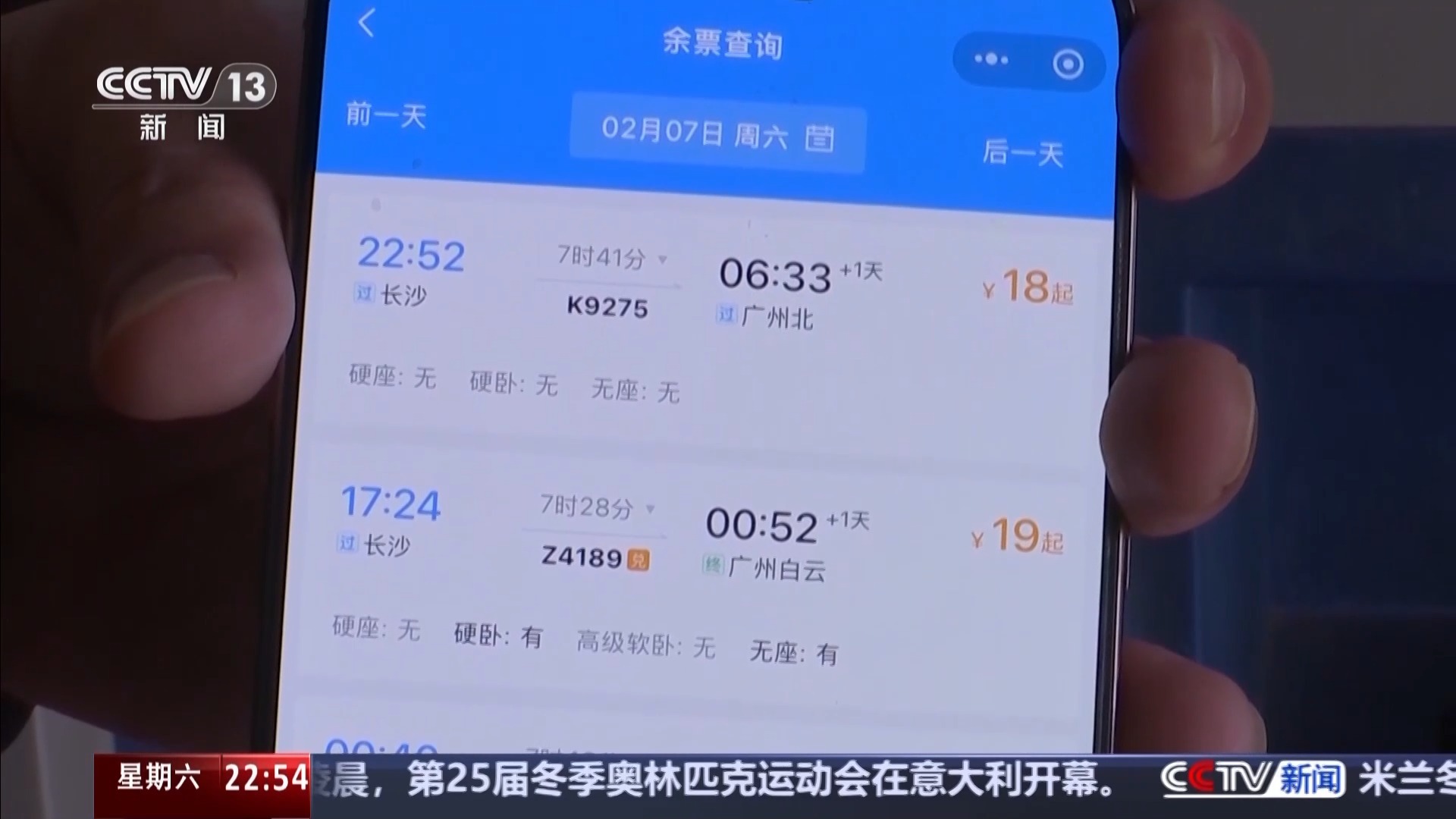
Online, many discounted tickets to major cities are attracting attention with their extremely low prices. For example, the fast 9275 regular-speed train from Changsha to Guangzhou is offered at an 80% discount, costing only 18 yuan.
Taking Guangdong Province as an example, monitoring shows that passenger flow arriving in Guangdong before the 2026 festival reached 14.302 million person-times, an increase of 3.6%. This trend indicates that the reverse family reunion travel pattern during the Spring Festival is becoming increasingly popular.
This year, from north to south and east to west, major railway bureaus have shown genuine sincerity. For instance, one railway bureau has introduced discounted tickets on eight routes covering 72 train services this year. Passenger feedback has been very enthusiastic; tickets for the discount period from February 7th to 13th sold out quickly upon release.
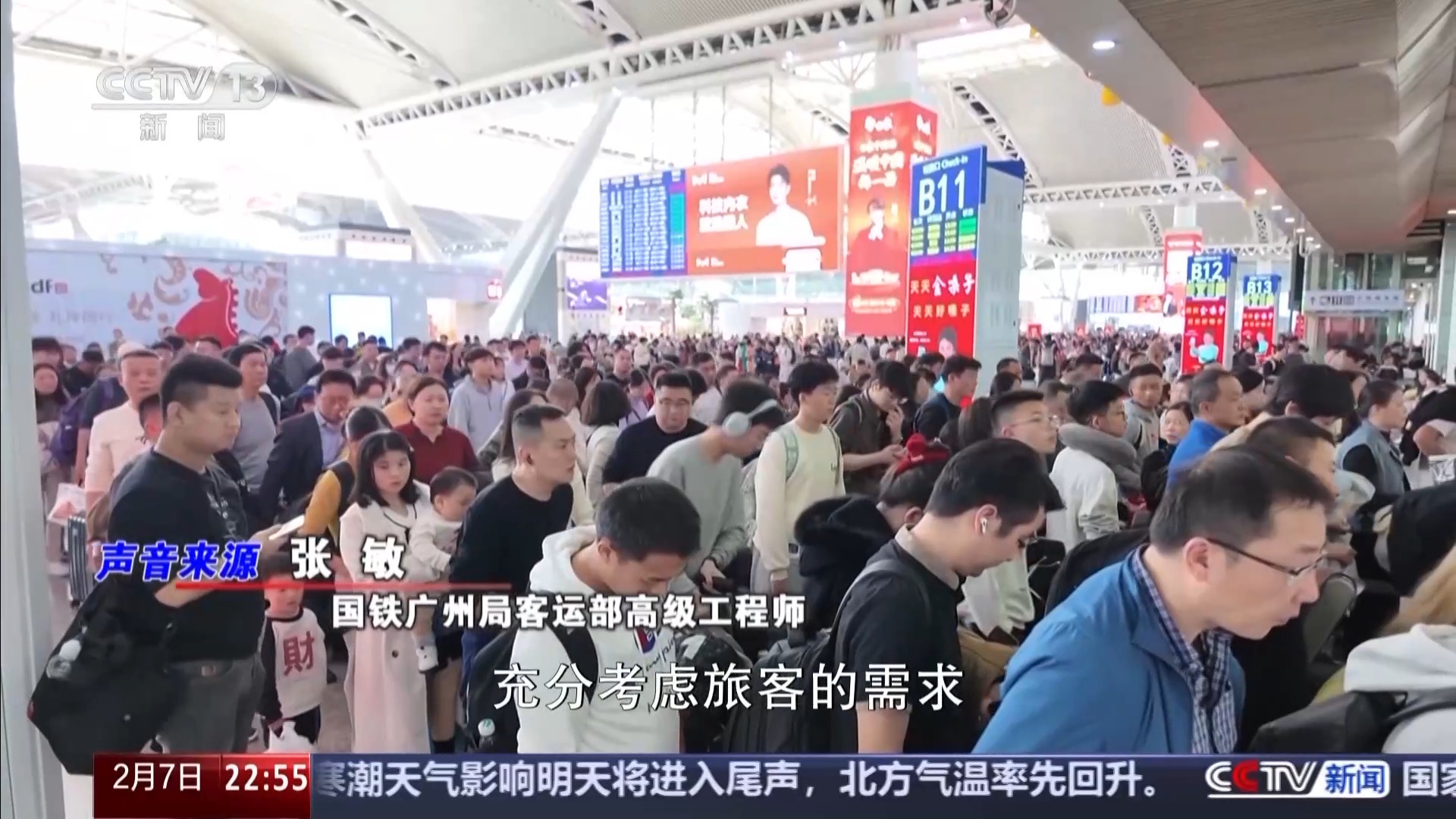
Ticket discounts can effectively activate transportation resources, ensuring the capacity of each train is fully utilized and improving the overall transportation efficiency of the Spring Festival travel rush. Furthermore, they allow passengers to enjoy more benefits. In recent years, the demand for reverse family reunions has continued to grow. The railway department has fully considered passengers’ needs, offering more options for reunion and making it easier to celebrate the New Year. After the festival, from February 25th to March 3rd, 31 train services simultaneously offered discounts.
A power drill stopped by security check was once a difficult moment for many migrant workers during the Spring Festival travel. These “tools of the trade,” which they are accustomed to using, are things they naturally want to keep using and are reluctant to discard if they change work locations the following year. However, paying for postage themselves often costs more than buying new tools.
Items like power drills, hammers, sickles, and shovels are all livelihood tools for migrant workers. This year, services have been comprehensively optimized. A postal service has dispatched dedicated staff to the station to provide free on-site mailing services. Deliveries can reach anywhere nationwide, taking about 2 days for nearby locations and 3 to 4 days for remote areas.
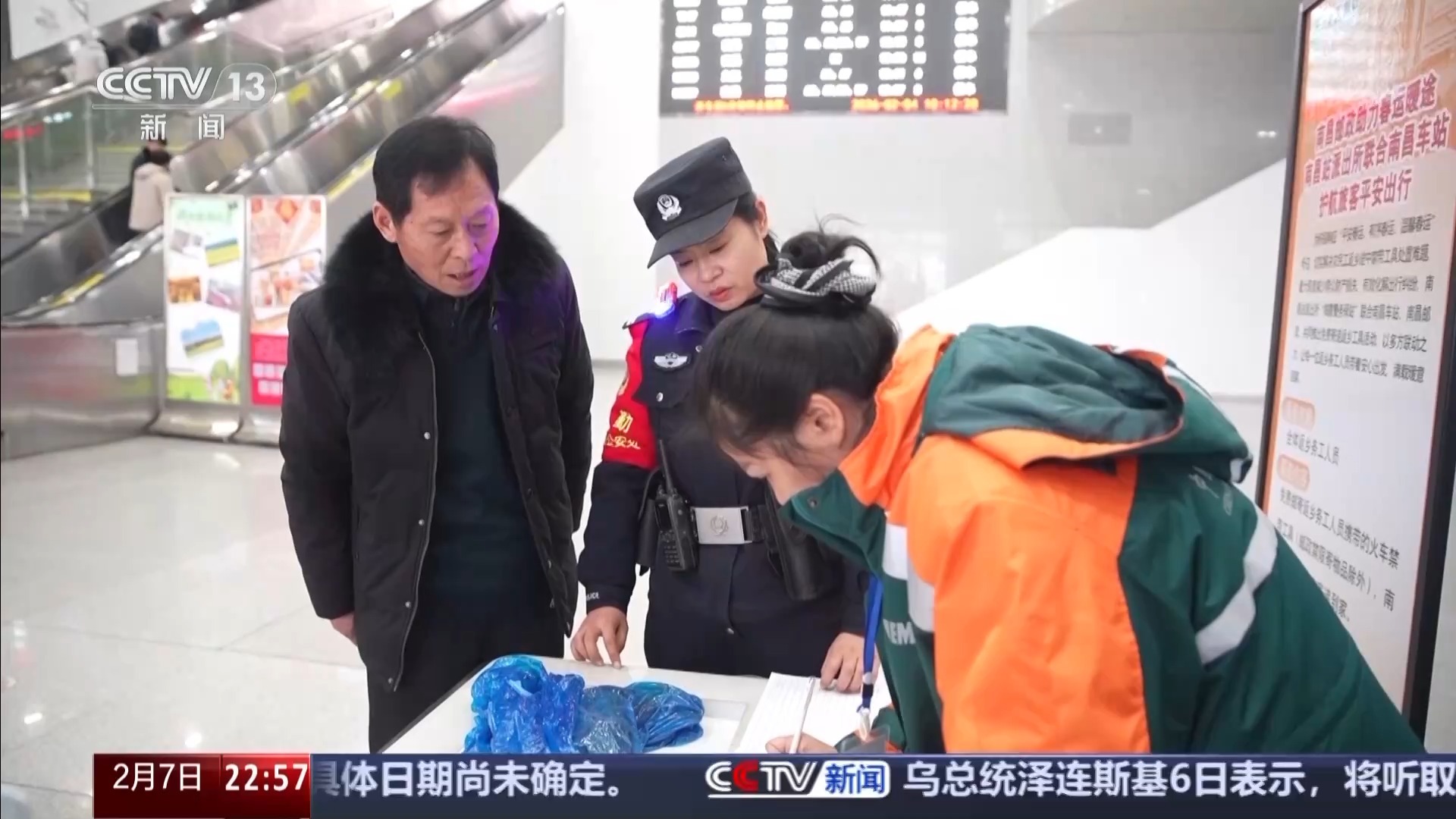
Having been on duty at the station for fourteen years, she has witnessed many returning migrant workers reluctantly discarding their familiar tools. During last year’s Spring Festival travel period, she contacted a courier outlet to ask if they could help mail these tools for free during the rush. The outlet owner, who also came from a migrant worker background, was very supportive upon hearing the idea. Thus, the station became the first in the country to offer free mailing of prohibited or restricted tools for migrant workers during the Spring Festival travel season.
A migrant worker said: “I’ve had to throw things away before, like knives, scissors, and kitchen knives. It was a pity. Now, with the security department offering free mailing home, it’s great—mainly saving money and being convenient.”
This Spring Festival travel season, the “free mailing” service has been upgraded to a systematic service with postal staff stationed at the station. The mailing range is wider, and the process is more convenient. A mailing register at the station post shows: 9 tools were mailed out on February 2nd alone, and another 4 were mailed on the morning of the 3rd. Mailing destinations include various locations within the province as well as far-off places like Heilongjiang, Yunnan, Fujian, Guangdong, and Hunan. As Spring Festival travel services increasingly cater to everyone’s needs, it becomes a travel season with more “heart.”