Several projects in Chengdu have recently made significant progress.
Western High-Skilled Talent Cultivation Headquarters
Opens! Over 20 Enterprises and Institutions Move In
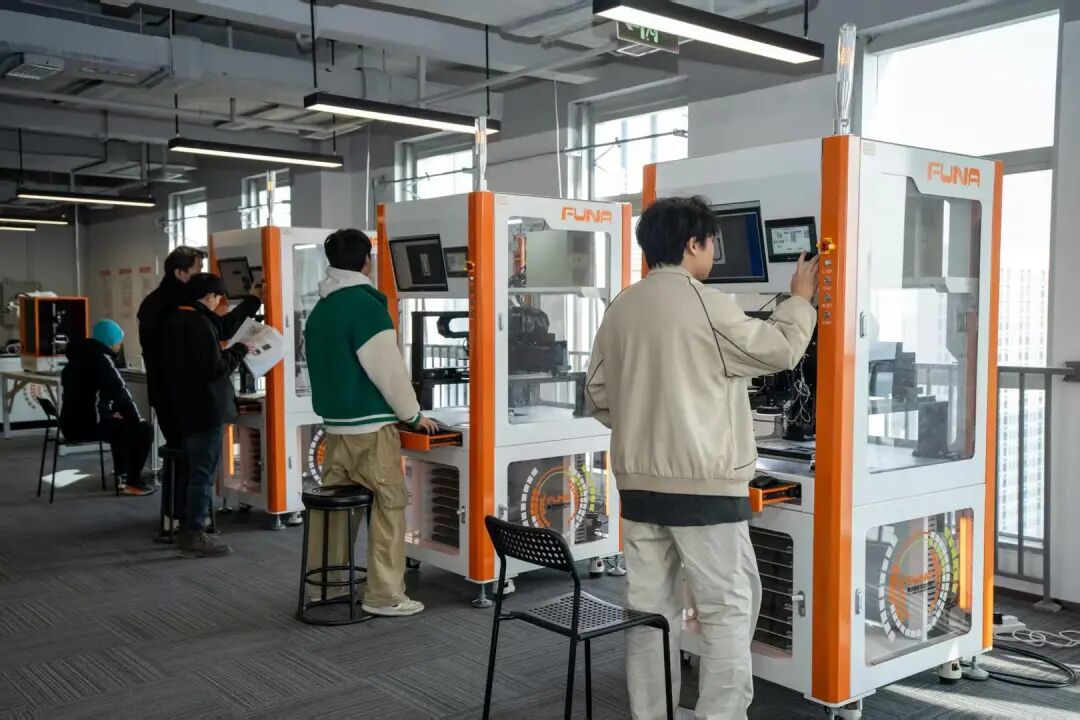
The Western High-Skilled Talent Cultivation Headquarters, the nation’s first high-skilled talent ecological industrial park, has officially opened in Chengdu. Over 20 enterprises and institutions have already moved in.
This park is a joint venture at the provincial, municipal, and district levels. It focuses on leading industries such as the digital economy, intelligent manufacturing, low-altitude economy, silver economy, and new energy economy, as well as urgently needed public service sectors. It is dedicated to the large-scale cultivation of high-skilled talent, aiming to build a full ecological service system covering talent cultivation, evaluation, and supply-demand matching.
The headquarters comprises six main components: the “Sichuan Skilled Talent Tower,” the “Tianfu Craftsmen Museum,” the “Tianfu Master Craftsmen Hub,” the “Chengdu Shared Training Base,” the “Tianfu Digital Intelligence Skills Incubation Park,” and the “Operational Headquarters for High-Skilled Talent Cultivation Bases in Industrial Parks.”
The Sichuan Skilled Talent Tower houses the province’s first digital skilled talent market, integrating core resources like job demands, talent supply, talent evaluation, and policy alignment. The Tianfu Craftsmen Museum showcases the achievements and accomplishments of Sichuan’s master craftsmen. The Tianfu Master Craftsmen Hub gathers national and provincial-level master craftsmen, creating a highland for skilled talent exchange. The Chengdu Shared Training Base focuses on leading industries such as intelligent manufacturing, the digital economy, low-altitude economy, silver economy, and new energy economy, implementing a project-based training model. The Tianfu Digital Intelligence Skills Incubation Park develops 5G+VR/AR simulation training technologies and equipment to create highly realistic immersive teaching environments. The Operational Headquarters coordinates operations to promote the efficient cross-regional and cross-industry flow of skilled services.
Phase I of Chengdu Polytechnic’s New Campus Officially Completed
Expected to Welcome New Students in Fall 2026
Phase I of the construction for Chengdu Polytechnic’s new campus has been officially completed. It is expected to welcome new students at the start of the Fall 2026 semester. Phase II of the project is planned to begin construction in the second half of this year, with completion scheduled for 2028.
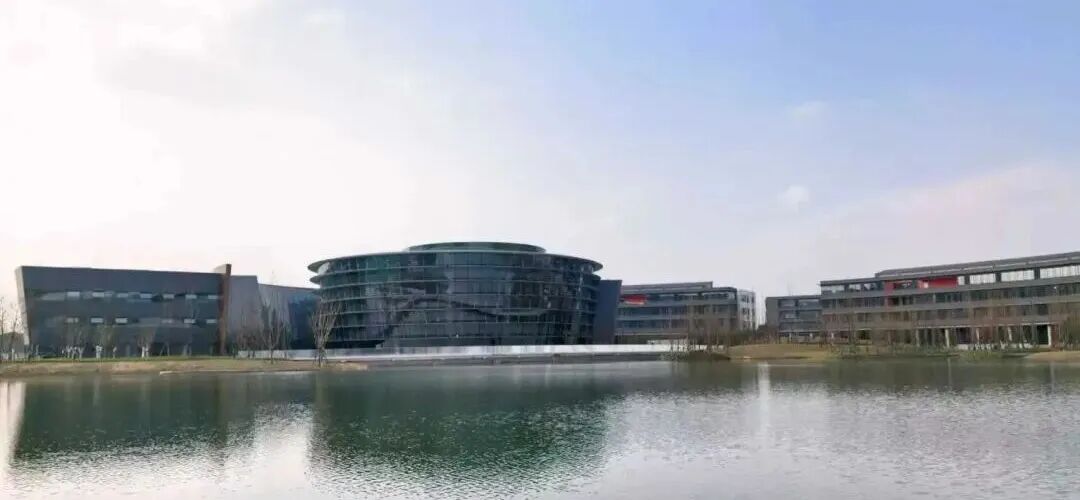
The new campus is located in Huayuan Subdistrict, Xinjin District. It covers a total area of approximately 800 acres, with a total floor area of about 370,000 square meters. The construction follows a unified master plan implemented in two phases.
The first batch of 18 buildings in Phase I, with a total floor area of about 170,900 square meters, has been delivered. These include a library, teaching buildings, practical training buildings, student dormitories, and cafeterias, providing a full chain of teaching and living facilities to meet the daily teaching, practical training, and living needs of 5,000 students.
The campus design is based on the concept of “Ancient Shu Origins, The Most Beautiful Riverside.” Strolling through the campus, one can feel the profound heritage of ancient Shu culture while experiencing the vibrant atmosphere of a modern vocational education institution. The school has dedicated efforts to create a space conducive to both study and work, building a high-quality teaching and living environment for teachers and students.
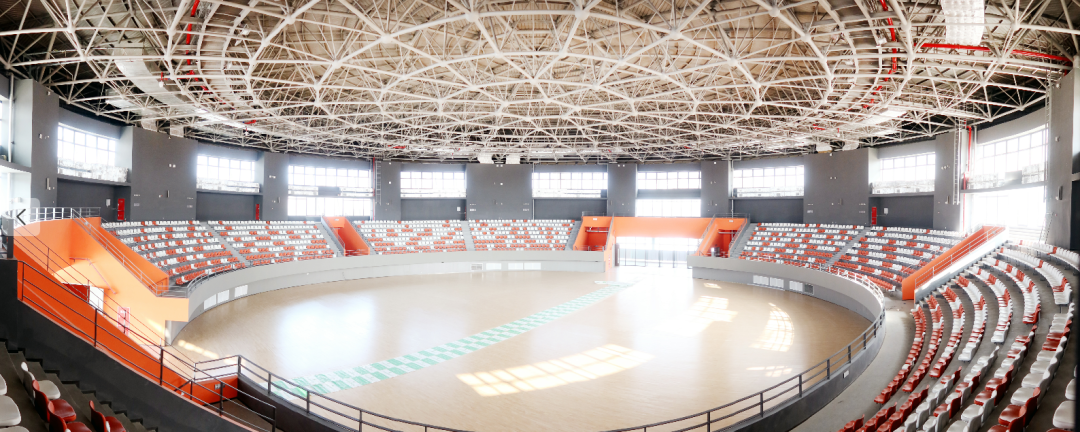
The school will closely align with Chengdu’s “9+9+10” modern industrial system and strictly benchmark against the requirements of the new round of the “Double High Plan” and vocational undergraduate establishment standards. It will focus its efforts on core areas such as upgrading educational facilities, optimizing the professional structure, and deepening the integration of industry and education. This aims to lay a solid foundation for comprehensively improving the quality of talent cultivation and steadily achieving high-quality development.
Specifically, the new campus and the Huayuan campus will focus on leading directions such as new