Over the past few hours, social media circulated news about the collapse of several houses in Egypt’s Luxor Governorate, allegedly due to so-called “termites,” which caused widespread concern among residents. The Ministry of Agriculture and Land Reclamation later settled the debate with an official statement, categorically denying these claims.
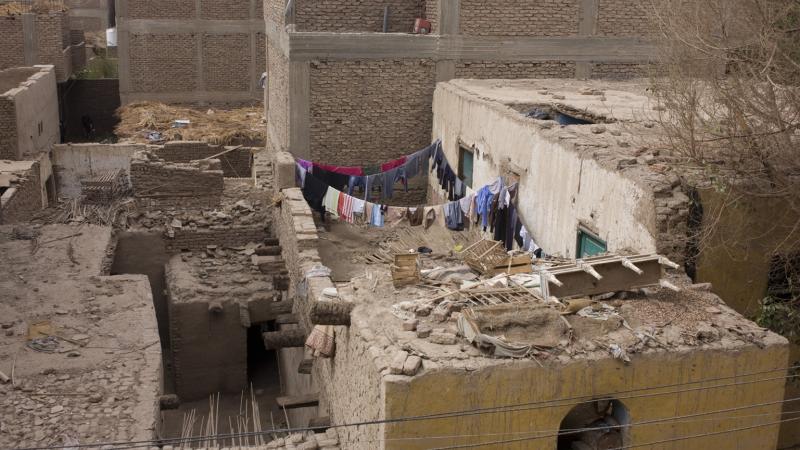
Fear had resurfaced among residents of villages in the Esna center, south of Luxor Governorate, following the collapse of a house in Al-Deir village. This became the third house to collapse within a short period and the second in the same village within just one week.
Collapse of 3 Houses in Egypt’s Al-Deir Village
The repeated incidents raised urgent questions about the real reasons behind the collapse of houses within a single geographic area, especially since the collapsed houses are similar in being old and built with mud bricks.
Residents’ opinions were divided regarding the causes of the collapse. A segment blamed what is known as “termites,” asserting that this insect, in their belief, causes gradual and hidden erosion of walls and foundations.
In contrast, other citizens proposed different hypotheses, including the presence of cesspits or voids beneath the houses due to old drainage systems, or weak soil. A third group believed the cause was the deterioration of the mud bricks, which had reached a structural age where they could no longer withstand pressure.
Termites are a serious pest that feeds on cellulose material found in clothes, furnishings, and furniture.
The insect lives in huge numbers in colonies ranging from 30,000 to three million insects, causing damage to houses, structures, and all types of agricultural crops.
Ministry of Agriculture: Termites Are Not the Cause of the Collapses
The Ministry of Agriculture and Land Reclamation categorically denied what has been circulated regarding termites causing the collapse of three houses in Al-Deir village.
The ministry confirmed in an official statement that a specialized technical committee from the Central Administration for Pest Control, in coordination with the Luxor Agriculture Directorate, immediately moved to the reported site and conducted field inspections in the presence of the village mayor, representatives from the House of Representatives, the governorate, the city council, and a number of residents.
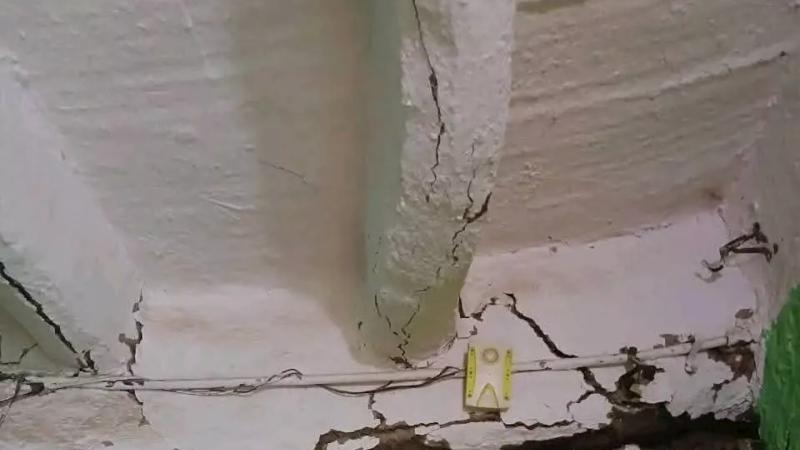
The committee’s technical report clarified that the real cause behind the collapse of the houses is the deterioration of the buildings, given that they are constructed from mud bricks affected by time and humidity, leading to a weak structural framework and their collapse.
The ministry emphasized that termites feed only on “cellulose” found in wood and textiles and cannot affect walls, concrete foundations, or bricks. It confirmed that their activity, despite being dangerous to furniture, does not scientifically lead to the complete collapse of buildings.
The Ministry of Agriculture indicated that it regularly monitors the spread of termites, noting that 73 houses in the Esna center where the insect appeared had previously been dealt with, due to the mountainous nature of the area.
The ministry confirmed that control services are provided free of charge to those unable to pay and under the direct supervision of the directorates, according to an approved protocol that includes digging trenches around infested houses and injecting them with specialized pesticides to ensure complete isolation.
In conclusion, the Ministry of Agriculture called for accuracy and obtaining information from official sources, and not following rumors that cause anxiety among residents, confirming that control units are on permanent alert to protect citizens’ homes.