Inviting you to admire this beautiful moon together
Slide your phone screen up and down
May all your wishes
Come true and be fulfilled
↓↓↓
Today is Mid-Autumn Festival
Sending blessings with the theme of “fulfillment”
May the warmth of human connection shine forever, illuminating eternal reunions
The Mid-Autumn Festival is also known as the Moon Festival and Reunion Festival
It evolved from autumn moon worship ceremonies in ancient times
Among the four major traditional festivals of Spring Festival, Qingming Festival, Dragon Boat Festival and Mid-Autumn Festival
The Mid-Autumn Festival began in the Tang Dynasty and flourished during the Song, Yuan, Ming and Qing Dynasties
Continuing to this day
On Mid-Autumn Festival
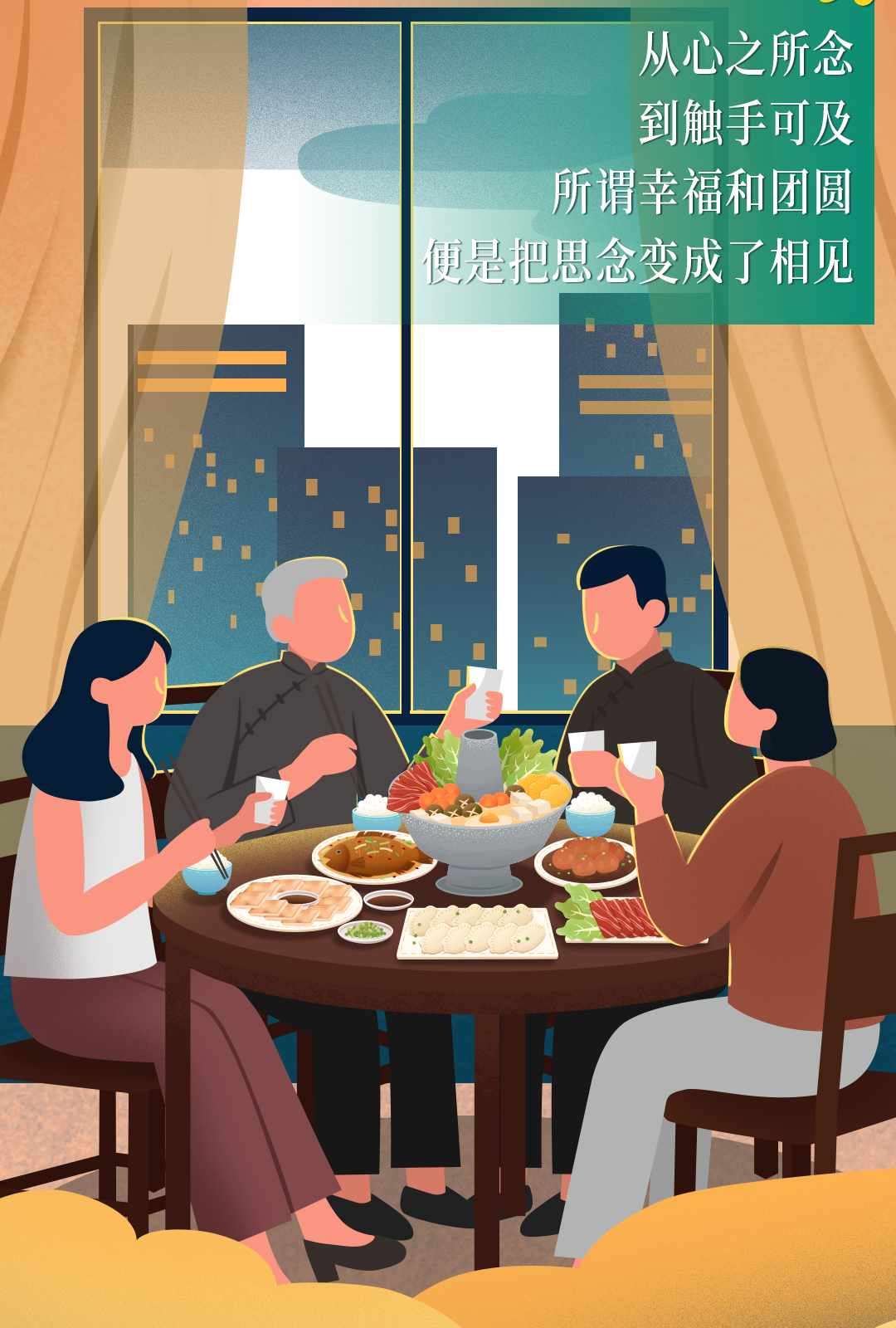
Families gather together
Admire osmanthus flowers, eat mooncakes
Make lanterns, admire lanterns, solve lantern riddles
Worship the moon, pay respects to the moon, express thoughts through the moon
This year’s Mid-Autumn Festival is one of the latest in the century according to the Gregorian calendar
Exactly 19 days later than last year’s Mid-Autumn Festival date
This year’s Mid-Autumn Festival follows
“The moon is fullest on the sixteenth day”
The fullest moment will be
At 11:48 AM on the 7th
It’s worth mentioning that
This Mid-Autumn full moon’s “size”
Ranks third among all full moons this year
Making it a “supermoon”
This Mid-Autumn night
The sky is clear with few clouds
Looking up reveals the beautiful scene of a bright moon in the sky
The annual
Mid-Autumn “moon photography competition” is coming again
Save these locations for amazing photos
Moon in Water
Rippling reflections
The moon dances in the water like countless stars
<img alt="Image" data-ratio="0.750976562
Mid-Autumn Festival
The Mid-Autumn Festival is a major harvest celebration with roots in China’s ancient moon worship traditions over 3,000 years ago. Today, it is celebrated in many East and Southeast Asian communities, where families gather to admire the full moon, share mooncakes, and carry lanterns. The festival is also associated with the legend of Chang’e, the Moon Goddess of Immortality.
Moon Festival
The Moon Festival, also known as the Mid-Autumn Festival, is a major harvest celebration with roots in China’s ancient Shang Dynasty over 3,000 years ago. It is traditionally held on the 15th day of the 8th lunar month to give thanks for the harvest and to honor the myth of the moon goddess Chang’e. Today, it is celebrated by gathering with family, eating mooncakes, and admiring the full moon.
Reunion Festival
Reunion Festival is an annual electronic music festival held in Detroit, Michigan, which began in 2003. It was founded to celebrate the city’s rich techno heritage and to honor the genre’s pioneers, particularly the “Belleville Three” (Juan Atkins, Derrick May, and Kevin Saunderson). The festival serves as a key gathering that reconnects the global techno community with its Detroit roots.
Spring Festival
The Spring Festival, also known as Chinese New Year, is the most important traditional holiday in China, marking the beginning of the lunar new year. Its history dates back over 3,000 years to the Shang Dynasty, originating from ceremonies to honor gods and ancestors. The celebration is characterized by family reunions, festive feasts, the color red, and customs aimed at bringing good luck and warding off evil spirits for the coming year.
Qingming Festival
The Qingming Festival, also known as Tomb-Sweeping Day, is a traditional Chinese holiday for honoring ancestors. Its origins date back over 2,500 years to the Cold Food Festival, which commemorated a loyal historical figure. Today, it involves cleaning ancestral tombs, making offerings, and has also evolved to include spring outings.
Dragon Boat Festival
The Dragon Boat Festival is a traditional Chinese holiday celebrated on the 5th day of the 5th lunar month, commemorating the death of the patriotic poet Qu Yuan who drowned himself in protest. The festival is marked by eating zongzi (sticky rice dumplings) and holding dragon boat races, which symbolize attempts to rescue Qu Yuan. These vibrant customs have been passed down for over 2,000 years and are recognized as part of UNESCO’s Intangible Cultural Heritage.
Tang Dynasty
The Tang Dynasty was a golden age of Chinese civilization that lasted from 618 to 907 AD, renowned for its political stability, economic prosperity, and flourishing arts. This era is celebrated for its poetry, painting, and woodblock printing, and its capital, Chang’an (modern Xi’an), was one of the largest and most cosmopolitan cities in the world.
Song Dynasty
The Song Dynasty was a culturally rich and technologically advanced era in Chinese history, ruling from 960 to 1279 CE. It is renowned for its monumental innovations, including the invention of movable type printing, gunpowder as a weapon, and paper money, which had a profound impact on the world. The dynasty eventually fell after invasions by the Mongols, who established the succeeding Yuan Dynasty.